
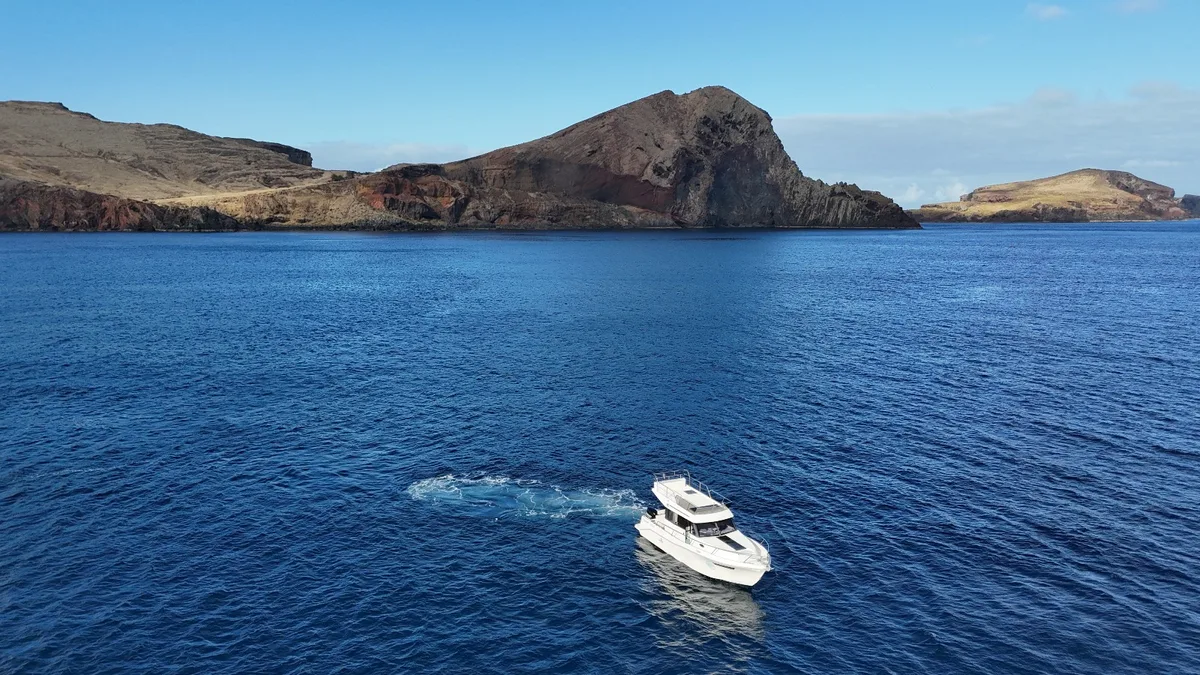
Packing for Madeira’s sea air and rugged coastline is less about “more” and more about “right”. The island’s mild climate can change within a short cruise thanks to microclimates, so a flexible bag matters [1]. Average temperatures hover near 16°C in winter and reach about 25°C in summer—pleasant, but not a promise of steady warmth on a breezy deck or during an Atlantic shower [2]. This guide explains what to pack for a Madeira yacht charter: layers that perform, shoes that grip without marking, and sun protection that respects both skin and sea. It also compares half-day and full-day outings so you stay comfortable without overpacking.
Why packing smart matters in Madeira’s changeable climate
Madeira’s weather rewards versatility. On the water, wind amplifies both warmth and chill; a calm morning can become a brisk breeze by lunch. The island’s topography funnels clouds and wind, creating pockets of sunshine, mist and quick showers—sometimes all in one charter [1]. Pack adaptable layers and use a soft duffel that slides into tight spaces and keeps walkways clear. Think in systems: start cool, shed for midday and add for the return, without hauling a full wardrobe.
Build a reliable layering system: base, mid and shell
A simple three-layer stack covers most days at sea in Madeira. Start with a base layer that wicks and dries fast. Lightweight merino is excellent for temperature regulation and odour resistance, while quality synthetic knits with UPF ratings work well under a lifejacket. Avoid heavy cotton; once wet from spray or sweat, it stays clammy and chills you when the wind picks up.
Your mid layer should trap warmth without bulk—a thin fleece, merino jumper or breathable insulated jacket (synthetic fills cope best with damp). This is the piece you’ll reach for after a swim or when the sun slips behind a cloud bank. Top it with a wind- and water-resistant shell: a light, packable waterproof with a hood, sealed seams and adjustable cuffs keeps spray at bay. With these three pieces, you can dial in comfort from cool winter mornings to bright summer passages without carting a full wardrobe [2]. If you run cold, a buff and light gloves help on breezy days.
Footwear that keeps you steady and protects the deck
Decks demand grip and care. Choose boat shoes or trainers with light-coloured, non-marking rubber soles that stay planted when wet and won’t leave dark scuffs on gelcoat or teak. Bare feet may feel carefree but are risky on slick fibreglass and around fittings. Leave black-soled runners, heavy boots and heels ashore; they’re either slippery, too rigid for delicate footing or prone to marking. If you plan to swim from the boat or step onto rocky shores, pack lightweight water shoes with non-marking soles so you can move confidently.
Sun protection that really works at sea
Sun bounces off the water and under brims, so plan for all-angle protection. A broad-spectrum, reef-safe sunscreen (SPF 30 or higher) is essential—apply generously and reapply, especially after swimming or towel-drying. Many guests prefer mineral formulas and avoid oxybenzone and octinoxate as a precaution. Pair lotion with physical barriers: a wide-brimmed hat with a chin strap that stays put when the wind freshens, and a UPF-rated long-sleeve top so you can stay covered without constant reapplication. Polarised sunglasses reduce glare; add a retainer so they don’t bounce overboard. Don’t forget SPF lip balm and a light after-sun moisturiser; salt and wind can be as drying as midday rays.
Essentials for time in and on the water
Even if you plan to lounge, yachts invite you into the elements. Pack a compact, quick-drying microfibre towel; it takes up a fraction of the space of a bath towel and dries fast between swims. A small dry bag keeps phones, wallets and a spare layer protected from spray; a waterproof phone pouch on a lanyard is handy if you like snapping photos near the rail. Secure swimwear helps you enjoy jumping in. A rash vest provides extra sun coverage and a comfortable layer under a wetsuit if you try cooler-water activities. If you own a well-fitting mask and snorkel, they can be useful; always follow your operator’s guidance on what’s permitted onboard and where, as swimming and snorkelling depend on wind, swell and the day’s conditions. Pack a reusable water bottle and tidy snacks unless your operator confirms provisions. A compact power bank and short USB cable earn their keep for photos and maps. Favour corrosion-resistant hardware on bags and pouches; standard fittings can seize in salty air.
Half-day versus full-day charters: how your bag should differ
For a half-day charter, aim for a single soft tote or small duffel: swimwear, a light base layer, a packable shell, a hat with a strap, polarised sunglasses with a retainer, reef-safe sunscreen, a microfibre towel, a small dry bag, water and a simple snack. Add non-marking deck shoes and you’ll be set for most scenarios without cluttering communal spaces.
Full-day charters invite a touch more foresight. Expand the same core list with a mid layer for early starts or shaded passages, a spare dry top for post-swim warmth, and a second pair of quick-drying shorts or a spare swimsuit so you’re not sitting damp. Consider a lightweight sarong or travel blanket for lounging. Add a few first-aid basics like plasters for minor nicks, and sea bands or ginger sweets if you’re prone to queasiness. If you wear prescription glasses, a floating retainer is cheap insurance. Keep the bag size modest even for a full day—storage is limited, and a tidy footprint helps the crew maintain safe, uncluttered decks.
What not to bring on a yacht in Madeira
Resist holiday bulk. Hard suitcases are a top no-no: they’re awkward in tight cabins and difficult to stow neatly. Bring soft, flexible bags instead; they squash into lockers and slide under benches. Leave heavy coats; smart layers outperform them at sea and dry faster. Swap oversized beach towels for microfibre versions; big cotton loops hold water and rarely dry before you’re underway again. High heels, dark-soled trainers and rigid boots are poor deck citizens—unsteady for you and unkind to the yacht. Expensive jewellery is better left in your hotel safe; it tangles in lifejackets and is easy to lose overboard. Full-size toiletries, hairdryers and elaborate styling tools hog socket time and space; pare back to travel sizes and salt-friendly hairstyles. If you plan to bring specialty equipment (for example, action cameras with mounting kits), ask your operator in advance so nothing interferes with safety gear, lines or deck fittings.
Health, comfort and respectful conduct onboard
A little preparation goes a long way at sea. If you’re prone to motion sensitivity, plan ahead: avoid heavy meals before departure, choose a seat with a clear horizon view and talk to a healthcare professional or pharmacist about suitable preventive options. Ginger sweets or acupressure bands are non-pharmaceutical alternatives some guests find helpful, but individual responses vary.
Lifejackets are provided and may be required in certain conditions under Portuguese maritime rules; always follow the skipper’s instructions and the yacht’s safety briefing for your comfort and legal compliance [5]. Keep decks uncluttered by returning bags and towels to designated spots and never block companionways or hatches.
Respect the sea and Madeira’s marine life. Whale and dolphin observation is regulated in the archipelago; skippers follow specific rules to minimise disturbance, and it is prohibited to chase, harass or attempt to swim with cetaceans [3]. Sightings are never guaranteed because these are wild animals, and the crew will always prioritise compliance and welfare [3][4]. Your role is simple: move calmly when asked, keep voices low around wildlife and enjoy the view without leaning over lifelines for a photo. Protect the environment too: choose reef-safe sunscreen, keep loose packaging secured from the wind and take all litter back to shore.
Sources
This guide uses the following official or specialist references. Confirm time-sensitive details at source before making travel plans.
Practical answers before you travel.
Do I need warm clothing if Madeira is mild year-round?
Yes. The island’s climate is generally mild, but wind chill on deck and rapid microclimate shifts can make a T-shirt feel inadequate, especially in the morning or after a swim. A simple layering system—wicking base, warm mid layer and a windproof, water-resistant shell—keeps you comfortable without overpacking [1][2].
Are sightings of dolphins or whales guaranteed on a yacht charter?
No. These are wild animals, and while Madeira is a renowned location for encounters, sightings are never guaranteed. Operators in the region follow regulations designed to minimise disturbance; it is not lawful to chase, harass or attempt to swim with cetaceans [3][4].
What shoes are best onboard?
Choose light-coloured, non-marking rubber-soled shoes designed for grip on wet decks. Avoid black soles, high heels and heavy boots. Bare feet can be risky on slick fibreglass and around fittings; water shoes with non-marking soles are useful if you plan to swim or step onto rocky shores.
Should I bring a hard suitcase?
No. Storage on yachts is limited and curved; hard suitcases are difficult to stow and can scuff interiors. Bring a soft duffel or holdall that compresses into lockers. Packing cubes or small pouches help you find items quickly without spreading belongings across shared spaces.
What sunscreen should I pack?
Bring a broad-spectrum, reef-safe sunscreen (SPF 30+). Many guests choose mineral formulas and avoid oxybenzone and octinoxate as a precaution for marine environments. Apply before boarding and reapply regularly. Complement lotion with UPF clothing, a wide-brimmed hat with a chin strap and polarised sunglasses with a retainer.
Will I have to wear a lifejacket?
Lifejackets are provided and may be mandatory in certain conditions under Portuguese maritime safety rules. The skipper will advise what’s required on the day; follow the safety briefing and instructions at all times for your comfort and legal compliance [5].