
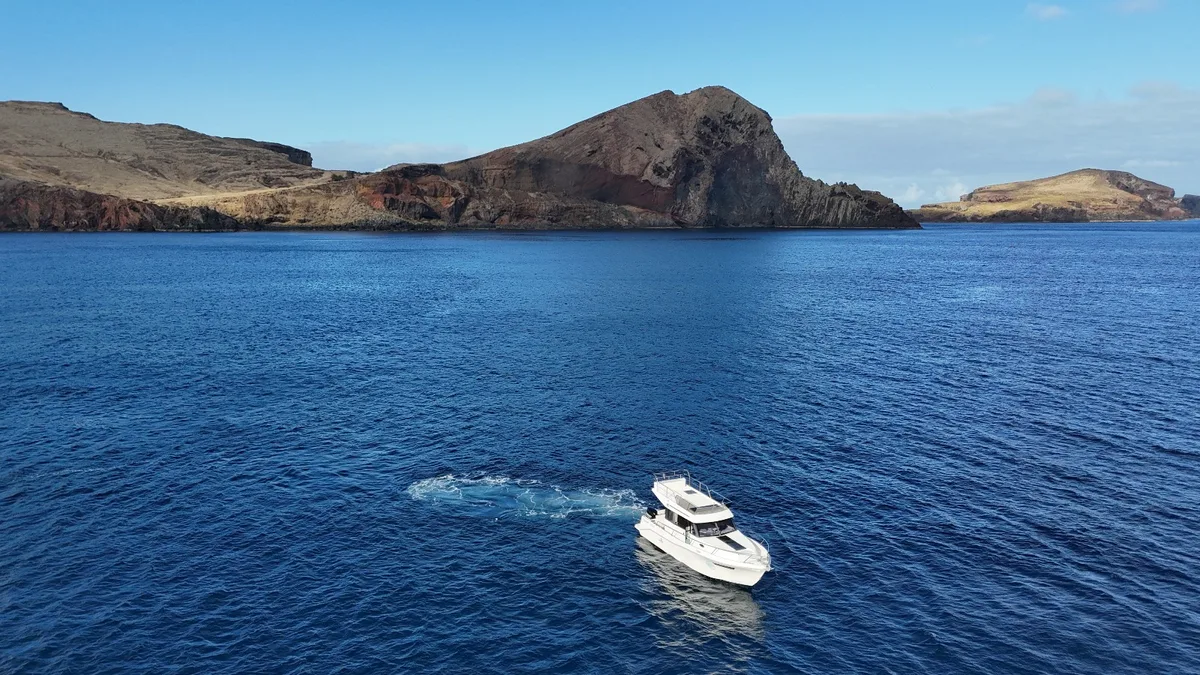
The archipelago of Madeira is renowned for its dramatic coastal cliffs, deep blue waters, and rich marine biodiversity. For guests chartering a private yacht, the opportunity to anchor in a secluded bay and dive into the Atlantic Ocean is often a highlight of the journey. The waters around the island are generally calm and clear, especially along the sheltered southern coast, making them ideal for swimming and snorkelling.
However, enjoying the ocean in Madeira comes with a responsibility to protect its fragile ecosystems. The region has strict regulations regarding marine life interactions and protected areas. Understanding these rules ensures that your experience is not only enjoyable but also respectful of the natural environment.
This guide outlines what you need to know about swimming and snorkelling from a private yacht in Madeira, from the best locations to the essential legal guidelines that every guest must follow.
The Appeal of Madeira's Coastal Waters
Madeira's volcanic origins have created a unique underwater landscape. The sea floor drops steeply close to the shore, reaching depths of up to 3,000 metres in some areas. This dramatic topography brings deep-ocean species closer to the coast while providing shallow, rocky reefs that are perfect for snorkelling. The absence of a continental shelf means that the water is incredibly clear, often offering visibility of up to 30 metres on a calm day.
The water temperature in Madeira is remarkably mild year-round, influenced by the Gulf Stream. During the summer months, sea temperatures can reach a comfortable 23°C to 24°C, while in winter, they rarely drop below 18°C. This makes swimming and snorkelling viable activities regardless of the season, provided the sea conditions are favourable.
When chartering a private yacht, the skipper will typically seek out sheltered coves and bays along the southern coast, where the water is calmest and visibility is highest. These spots offer a safe and serene environment for guests to swim and explore the underwater world. The southern coast is naturally protected from the prevailing north-easterly trade winds, creating a microclimate that is highly conducive to maritime leisure activities.
Garajau Partial Nature Reserve: A Snorkelling Haven
One of the most celebrated locations for snorkelling in Madeira is the Garajau Partial Nature Reserve (Reserva Natural Parcial do Garajau). Established in 1986, it is a highly protected marine area located on the southern coast, just east of Funchal [1]. It holds the distinction of being the first exclusively marine reserve created in Portugal.
The reserve is famous for its exceptional water clarity and abundant marine life. Snorkellers can expect to see a variety of coastal fish, including the iconic Dusky Grouper (Epinephelus marginatus), which is known to be curious and relatively approachable [2]. The rocky seabed is also home to moray eels, sea urchins, octopuses, and colourful wrasses. The biodiversity here is a direct result of decades of strict conservation efforts.
Because of its protected status, the Garajau Reserve has specific rules that all visitors must follow to ensure the preservation of its marine life. Motorised vessels are generally prohibited from navigating within the reserve boundaries, except for authorised operators [3]. Private yachts must anchor outside the restricted zones, and guests can swim or use non-motorised equipment, such as paddleboards, to enter the area.
All forms of fishing, spearfishing, and the collection of marine organisms or geological materials are strictly forbidden [3]. This includes picking up shells or rocks from the seabed. Snorkellers must avoid touching or standing on the rocky reefs to prevent damage to the delicate ecosystem. Buoyancy control is essential to avoid kicking up sand or accidentally striking corals and sponges.
Your skipper will be familiar with the exact boundaries and regulations of the reserve and will guide you on how to enjoy the area legally and safely. They will ensure the yacht is anchored in a permitted zone, allowing you to swim into the reserve without violating any environmental laws.
Interacting with Marine Life: The Legal Boundaries
Madeira is famous for its resident and migratory populations of cetaceans, including various species of dolphins and whales. While seeing these animals from the deck of a yacht is a thrilling experience, the rules regarding in-water interactions are strict and clear. The region takes its commitment to marine conservation very seriously.
Under the Regional Legislative Decree No. 15/2013/M, it is strictly prohibited to intentionally swim with whales, dolphins, or marine turtles in Madeira [4]. This law is designed to protect the animals from stress, disturbance, and potential harm. The presence of humans in the water can disrupt their natural behaviours, such as feeding, resting, and nursing their young.
If cetaceans approach the yacht while guests are already in the water, the standard protocol is to remain calm, avoid sudden movements, and allow the animals to pass without interference. Guests must never attempt to pursue, touch, or feed any marine wildlife [4]. Attempting to interact with them can lead to severe penalties for the operator and poses a risk to both the animals and the swimmers.
Even when observing cetaceans from the yacht, specific rules apply. Vessels must maintain a minimum distance of 50 metres from whales and dolphins, and 25 metres from marine turtles [4]. The approach must be slow, parallel, and from behind, never head-on or perpendicular. Furthermore, the observation time is limited to a maximum of 10 minutes per vessel with the same group of animals [4].
The use of jet skis, drones, or any other devices that may produce disruptive noise or sudden movements near cetaceans is also prohibited [4]. These regulations ensure that the animals are not harassed or forced to alter their course due to the presence of vessels.
Planning Your Snorkelling Experience
When planning a yacht charter that includes swimming and snorkelling, communication with your operator is key. While the southern coast offers many beautiful spots, the exact itinerary will always depend on the weather and sea conditions on the day of the charter.
Most luxury yacht charters provide basic snorkelling equipment, including masks, snorkels, and fins. However, if you have specific sizing requirements or prefer your own gear, it is advisable to bring it along. A well-fitting mask is crucial for a comfortable and enjoyable snorkelling experience.
For sun protection, it is highly recommended to use reef-safe sunscreen. Traditional sunscreens often contain chemicals, such as oxybenzone and octinoxate, that can be harmful to marine life and water quality. Alternatively, wearing a UV-protective rash guard is an excellent way to protect your skin while minimising your environmental impact. Soft bags are preferred for bringing your belongings on board, and deck shoes or bare feet are standard practice to protect the yacht's teak decking.
Safety Considerations
Safety is the primary concern for any yacht skipper. Before allowing guests into the water, the crew will assess the sea state, currents, and wind conditions. Guests should always listen to the crew's briefings and stay within the designated swimming areas. Even strong swimmers should be mindful of the currents, which can change rapidly.
If you are prone to seasickness, it is important to prepare in advance. While the southern coast is generally calm, the motion of an anchored yacht can still affect some individuals. Consult with a healthcare professional or pharmacist regarding suitable preventative medications before your trip. The crew cannot dispense medical advice or prescription drugs.
Public Facts vs. Operational Decisions
It is important to distinguish between the general facts about Madeira's marine environment and the specific operational decisions made during a yacht charter. Understanding this distinction helps manage expectations and ensures a smooth experience.
The existence of the Garajau Nature Reserve, the legal prohibition of swimming with cetaceans, and the general water temperatures are established facts regulated by regional authorities [1] [4]. These are non-negotiable rules that apply to everyone.
The exact anchoring spots, the duration of swimming stops, and the decision to enter the water on any given day are entirely at the discretion of the skipper. These decisions are based on real-time assessments of the weather, sea state, and the safety of the guests and the vessel. No operator can guarantee specific wildlife sightings or promise access to a particular cove if the maritime conditions are deemed unsafe. The skipper's ultimate responsibility is the safety of the passengers and the vessel, and their decisions in this regard are final.
Sources
This guide uses the following official or specialist references. Confirm time-sensitive details at source before making travel plans.
Practical answers before you travel.
Can I swim with dolphins or whales in Madeira?
No. It is strictly prohibited by regional law to intentionally swim with whales, dolphins, or marine turtles in Madeira to protect the animals from stress and disturbance.
Do I need to bring my own snorkelling gear?
Most private yacht charters provide basic snorkelling equipment (masks, snorkels, and fins). However, you are welcome to bring your own if you prefer a specific fit or style.
Is the water warm enough for swimming year-round?
Yes, the water temperature in Madeira is generally mild, ranging from 18°C in winter to 24°C in summer, making swimming possible throughout the year, depending on your personal comfort level.
Can the yacht anchor anywhere for swimming?
No. The skipper must choose anchoring spots based on safety, sea conditions, and local regulations. Certain areas, like the Garajau Nature Reserve, have specific restrictions on motorised vessels.
What should I wear for snorkelling?
A standard swimsuit is sufficient, but a UV-protective rash guard is highly recommended to protect against the sun and minor scrapes. Always use reef-safe sunscreen to protect the marine environment.
Will we definitely see the Dusky Grouper in Garajau?
While the Garajau Reserve is famous for its Dusky Groupers, they are wild animals, and sightings cannot be guaranteed. The marine life you encounter will vary depending on the day.