
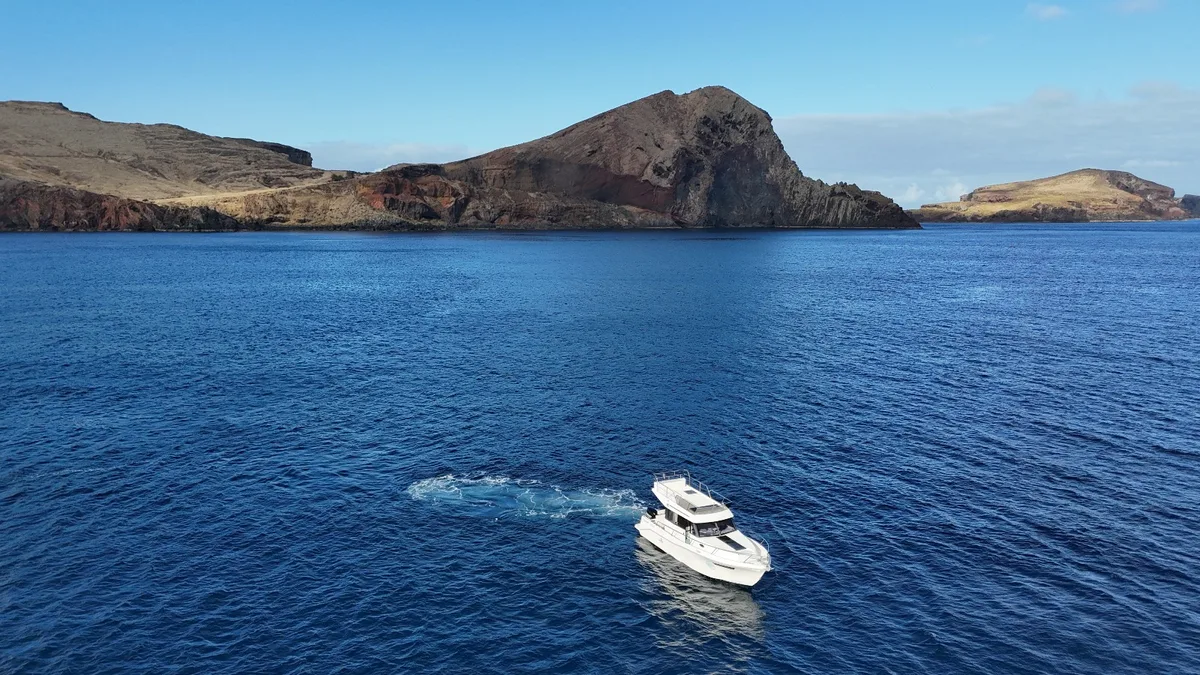
Embarking on a private yacht charter in Madeira offers an unparalleled opportunity to explore the island's dramatic coastline, discover hidden coves, and observe magnificent marine life in its natural habitat. The Atlantic Ocean surrounding the archipelago is a dynamic environment, providing both breathtaking beauty and, occasionally, the motion that can lead to seasickness. For many first-time guests and even experienced sailors, the prospect of feeling unwell at sea can be a source of anxiety when planning their maritime adventure.
Understanding how to prevent and manage seasickness is essential for ensuring a comfortable and enjoyable experience on the water. Motion sickness, or kinetosis, occurs when your brain receives conflicting signals from your inner ear, eyes, and body regarding movement [1]. While the waters around Madeira can be remarkably calm, especially along the sheltered southern coast, the ocean is inherently unpredictable. Being prepared allows you to focus on the stunning landscapes and the thrill of the journey rather than worrying about potential discomfort.
This guide provides practical, evidence-based advice on preparing for your Madeira boat trip. From pre-departure strategies to on-board practices, we will explore how to minimise the risk of seasickness and what to do if you begin to feel its effects. By taking a proactive approach, you can confidently set sail and fully immerse yourself in the extraordinary maritime experiences that Madeira has to offer.
Understanding the Atlantic Ocean Around Madeira
The Madeira archipelago is situated in the North Atlantic Ocean, which means that sea conditions can vary significantly depending on the season, weather patterns, and specific coastal areas. The southern coast, where Funchal and many popular marinas are located, generally benefits from the island's protective shadow, resulting in calmer waters compared to the more exposed northern coast. However, even in sheltered areas, ocean swells are a natural occurrence.
The Portuguese Institute for Sea and Atmosphere (IPMA) regularly monitors and issues forecasts regarding sea state and wave height [2]. It is important to recognise that while your skipper will always prioritise safety and comfort, the sea is a dynamic environment. A day that begins with a glassy surface can develop a gentle swell as the wind changes. Understanding that some movement is inevitable helps set realistic expectations for your journey.
When planning your trip, discussing your concerns with your charter operator can be highly beneficial. Experienced local skippers possess an intimate knowledge of the island's microclimates and coastal currents. They can often tailor the route to find the most comfortable conditions available on the day, although this is always subject to the prevailing weather and sea state.
Practical Prevention: Before You Board
Preventing seasickness begins well before you step onto the yacht. Your preparation in the 24 hours leading up to your charter can significantly influence how your body responds to the motion of the ocean. A well-rested and properly nourished body is far more resilient to the conflicting sensory inputs that trigger motion sickness.
Rest and Hydration
Fatigue is a known contributor to susceptibility to motion sickness. Ensure you get a good night's sleep before your boat trip. Being well-rested helps your brain process sensory information more effectively. Equally important is hydration. Drink plenty of water in the days leading up to your charter and continue to hydrate throughout the trip. Dehydration can exacerbate the symptoms of nausea and dizziness.
Dietary Considerations
What you eat before your journey plays a crucial role. Avoid heavy, greasy, or highly acidic foods, as these can irritate your stomach and make you more prone to feeling unwell. Instead, opt for light, easily digestible meals. Carbohydrate-rich foods, such as toast, crackers, or oatmeal, are often recommended. It is also advisable to limit or avoid alcohol and caffeine consumption before and during the trip, as both can contribute to dehydration and upset your stomach.
Medication and Remedies
For those who know they are highly susceptible to motion sickness, over-the-counter medications can be an effective preventative measure. However, it is imperative to consult with a healthcare professional or pharmacist before taking any medication. They can advise on the most appropriate options, potential side effects (such as drowsiness), and interactions with any other medications you may be taking. If you choose to use medication, it is generally most effective when taken before the onset of symptoms, often an hour or two before boarding.
On-Board Strategies for a Comfortable Journey
Once you are on board, your behaviour and positioning can greatly influence your comfort level. The way you interact with the environment and the vessel itself can help your brain reconcile the motion it is experiencing.
Finding the Right Position
Where you choose to sit or stand on the yacht can make a significant difference. The most stable part of any vessel is typically the lower centre, close to the waterline. However, being below deck can sometimes worsen symptoms because your eyes cannot see the motion that your inner ear is feeling. The best compromise is often to stay above deck, in the fresh air, near the middle of the boat where the pitching and rolling are least pronounced.
Visual Focus
One of the most effective ways to combat seasickness is to keep your eyes focused on a stable reference point. Looking at the horizon provides your brain with a clear visual cue that aligns with the movement your inner ear is detecting [3]. Avoid focusing on objects that are moving relative to the boat, such as reading a book, scrolling on your phone, or looking through binoculars for extended periods. If you are engaging in whale watching, take regular breaks to look back at the horizon.
Fresh Air and Temperature
Fresh air is a powerful antidote to nausea. Stay in well-ventilated areas of the yacht and avoid places where exhaust fumes or strong odours might accumulate. Feeling overly warm can also trigger or worsen seasickness. Dress in layers so you can easily adjust your temperature, and seek shade if you begin to feel too hot. The cool Atlantic breeze can be incredibly refreshing and settling for the stomach.
Differentiating Public Facts from Operational Decisions
When planning a boat trip in Madeira, it is crucial to distinguish between general facts about the region and the specific operational decisions made by your charter company. This understanding helps manage expectations and ensures a smoother experience.
Weather and Sea State
The general climate and typical sea conditions of Madeira are public facts, monitored and reported by official bodies like IPMA. However, the decision to sail, alter a route, or cancel a trip due to weather is an operational decision made by the skipper. The skipper's primary responsibility is the safety of the passengers and the vessel. They will assess the real-time conditions, including wind speed, wave height, and visibility, to determine the safest and most comfortable course of action.
Wildlife Observation
Madeira is renowned for its rich marine biodiversity, and the presence of various cetacean species is a well-documented fact. However, the observation of these animals is strictly regulated by the Regional Legislative Decree No. 15/2013/M to ensure their protection [4]. The decision on how to approach, how long to stay, and when to leave an area with wildlife is an operational one, dictated by these legal requirements and the skipper's assessment of the animals' behaviour. No operator can guarantee sightings, as these are wild animals in their natural habitat.
Itineraries and Timings
While there are popular routes and destinations, such as the Desertas Islands or the coastline of Cabo Girão, the exact itinerary of a private charter is often flexible. The time taken to reach a destination, the duration of stops for swimming, and the overall pace of the journey are operational decisions influenced by the sea state, the guests' preferences, and the skipper's expertise. A rigid schedule is rarely practical or desirable in a dynamic maritime environment.
Sources
This guide uses the following official or specialist references. Confirm time-sensitive details at source before making travel plans.
Practical answers before you travel.
Can I completely avoid seasickness on a Madeira boat trip?
While you cannot guarantee that you will not experience seasickness, following preventative measures such as resting well, eating lightly, and staying hydrated can significantly reduce the risk. The sea conditions also play a major role, and the southern coast of Madeira is often calmer.
Should I take medication before the boat trip?
If you are prone to motion sickness, medication can be helpful. However, you must consult a healthcare professional or pharmacist to discuss the best options for you, as some medications can cause drowsiness or interact with other drugs.
Where is the best place to sit on the yacht to avoid feeling unwell?
The most stable area is generally near the middle of the boat, close to the waterline. It is highly recommended to stay above deck in the fresh air and keep your eyes focused on the horizon.
What should I do if I start feeling seasick during the trip?
If you begin to feel unwell, move to a well-ventilated area above deck, look at the horizon, and avoid reading or looking at screens. Inform the crew, as they are experienced in assisting guests and may offer remedies like ginger or suggest a change in position.
Will the skipper cancel the trip if the sea is rough?
Yes, the skipper's priority is always safety. If the sea conditions, as forecasted by IPMA or observed on the day, are deemed unsafe or excessively uncomfortable, the skipper will make the operational decision to alter the route or reschedule the charter.
Does looking at marine life cause seasickness?
Looking through binoculars or focusing intently on the water for long periods can sometimes contribute to feeling unwell. It is advisable to take breaks and look back at the horizon regularly while observing wildlife.