
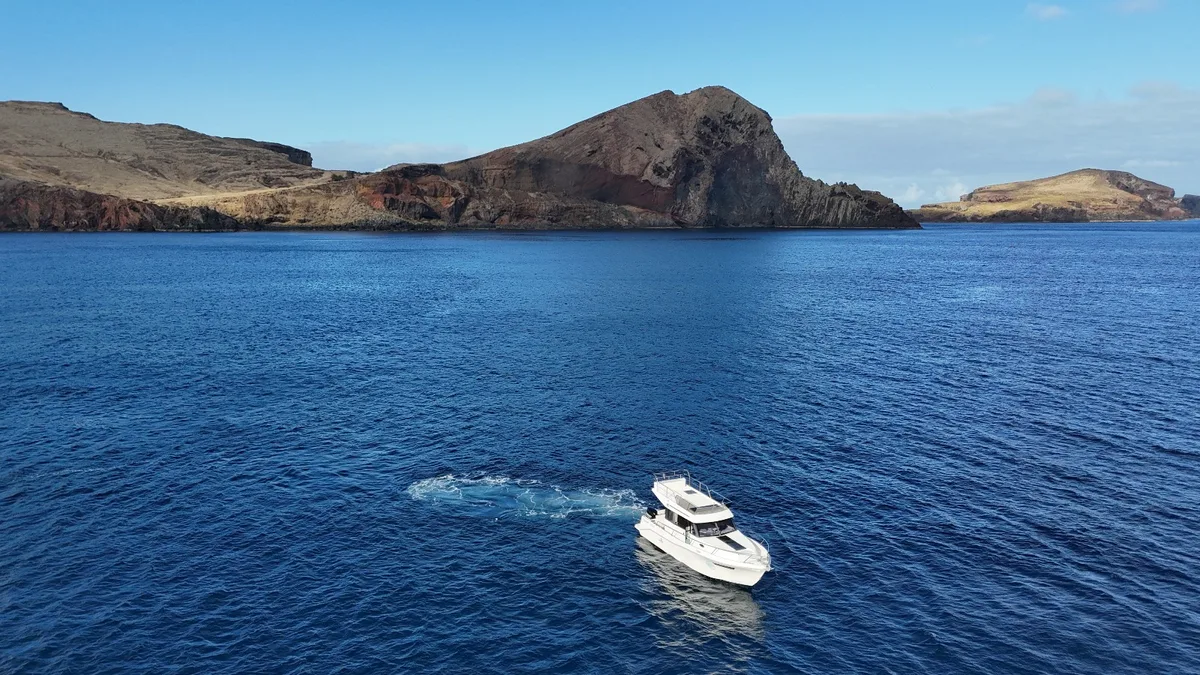
Taking your family on a private boat trip in Madeira is a rewarding way to experience the island's dramatic coastline and marine life. The Atlantic Ocean offers a unique environment where steep cliffs meet deep blue waters. Whether travelling with young children, teenagers, or older relatives, a private charter provides the flexibility needed to accommodate everyone's pace.
Planning a family boat trip requires more than booking a vessel. Madeira's marine environment is dynamic, and the island is home to protected wildlife. Understanding local regulations, preparing for the weather, and knowing what to expect can make the difference between a stressful outing and a cherished memory.
This guide covers the practical aspects of organising a private boat trip for your family in Madeira, focusing on safety, realistic expectations, and responsible wildlife observation.
Understanding the Marine Environment
Madeira's coastal waters are part of the open Atlantic Ocean. Sea conditions can change, and the experience is heavily influenced by weather. The Portuguese Institute for Sea and Atmosphere (IPMA) and the Funchal Port Authority monitor sea conditions and issue warnings [1].
When planning a family trip, understand that the itinerary is never entirely fixed. The skipper prioritises safety and comfort, adapting the route based on wind, swell, and sea state. This flexibility is an advantage, as the crew can seek calmer waters or sheltered bays, ensuring a pleasant experience.
Madeira's geography plays a significant role in the maritime experience. High mountains create microclimates, meaning the southern coast near Funchal might be calm, while northern or eastern coasts experience stronger winds. This is why most family-friendly boat trips depart from southern marinas like Funchal or Calheta, where waters are more protected.
Preparing for the Trip
Preparation is key to a successful family boat trip. The weather in Madeira can be unpredictable, with microclimates meaning it might be sunny in Funchal but cloudy or windy just a few miles along the coast. Dressing in layers is highly recommended. Bring light, breathable clothing for the sun, but also pack windbreakers or light jackets, as the breeze on the water can be cool, especially for children.
Sun protection is essential. The reflection of the sun on the water increases UV exposure, so ensure everyone has high-factor sunscreen, hats, and sunglasses. It is also advisable to bring any necessary medications, especially if anyone in the family is prone to seasickness. While the crew will do their best to find calm waters, the ocean is always moving. If you are concerned about motion sickness, consult a healthcare professional or pharmacist before the trip for advice on suitable prevention methods.
When packing for the day, consider bringing a few familiar snacks or drinks for younger children, even if the charter includes catering. Familiar items can provide comfort and keep energy levels up during the trip. Additionally, a dry bag is useful for storing electronics, cameras, and extra layers of clothing, protecting them from unexpected splashes or sea spray.
Wildlife Observation Rules
One of the highlights of a boat trip in Madeira is the chance to see marine wildlife, including dolphins, whales, and sea turtles. The archipelago is home to resident populations of bottlenose dolphins and short-finned pilot whales, which can be seen throughout the year [2]. However, these are wild animals in their natural habitat, and sightings can never be guaranteed.
The observation of marine vertebrates in Madeira is strictly regulated by the Regional Government to protect the animals from stress and disturbance [3]. The Institute for Forests and Nature Conservation (IFCN) oversees these regulations, which include strict approach rules and carrying capacity limits [4].
When encountering cetaceans, the boat must maintain a minimum distance of 50 metres [5]. The approach must be gradual, and the vessel's speed must be reduced. The maximum observation time is limited to 10 minutes per boat to minimise the impact on the animals [6]. Families should understand that the crew will strictly adhere to these rules, especially when females with calves are present, as they are particularly vulnerable to disturbance.
It is also important to note that feeding, touching, or swimming with the animals is strictly prohibited under these regulations. The goal is to observe the wildlife in a way that does not alter their natural behaviour. By choosing a responsible operator, families contribute to the conservation efforts that keep Madeira's marine ecosystem thriving.
Public Facts vs. Operational Decisions
When booking a private boat trip, it is important to distinguish between general facts about Madeira's marine environment and the specific operational decisions made by the charter company or skipper.
The presence of marine wildlife is natural and unpredictable. The rules for observing cetaceans are set by law and apply to all vessels. Sea conditions are monitored by official authorities like IPMA. The Madeira Whale Museum plays a key role in education and conservation, having proposed the first voluntary code of conduct in 2002. The International Whaling Commission (IWC) recognises Madeira as a year-round destination for whale and dolphin watching [6].
On the other hand, the final route and itinerary are decided by the skipper on the day, based on safety and sea conditions. The decision to cancel or postpone a trip due to bad weather is made by the operator, often guided by official warnings. The specific amenities, food, and drinks provided on board depend on the charter package chosen. The ability to stop for swimming or snorkelling is at the skipper's discretion, depending on the sea state and location.
Understanding this distinction helps manage expectations. While the operator can control the quality of the boat, the professionalism of the crew, and the catering provided, they cannot control the weather, the sea state, or the presence of wildlife.
Choosing the Right Boat for Your Family
Selecting the appropriate vessel is a critical step in planning a successful family outing. Different boats offer varying levels of comfort, stability, and amenities, which can significantly impact the experience, especially for younger children or older relatives. Motor yachts generally provide more space, shaded areas, and stability, making them a popular choice for families. They often feature comfortable seating, indoor cabins, and easy access to the water for swimming.
Sailing yachts, on the other hand, offer a more traditional and quieter experience, but they can heel (lean) under sail, which might be unsettling for some family members. Catamarans are an excellent middle ground, offering exceptional stability and wide deck spaces, which are ideal for children to move around safely. When discussing options with the charter operator, be sure to mention the ages of your family members and any specific needs, such as shaded areas for infants or easy boarding access for older adults.
The amenities on board also play a vital role. Ensure the boat has a marine toilet (head), especially for longer trips. Some vessels offer paddleboards or snorkelling gear, which can add an extra layer of fun for teenagers. By carefully considering the type of boat and its features, you can ensure a comfortable and enjoyable trip for the entire family.
Making the Most of the Experience
A private boat trip offers a unique opportunity for families to connect with nature and each other. Encourage children to look out for wildlife, but manage their expectations by explaining that the ocean is not a zoo. Even if you don't see whales or dolphins, the dramatic cliffs, sea caves, and crystal-clear waters provide plenty of excitement.
Listen carefully to the safety briefing provided by the crew at the beginning of the trip. They will explain where the life jackets are kept, how to move safely around the boat, and what to do in an emergency. For families with young children, the crew can often provide appropriately sized life jackets and advice on the safest places to sit while underway.
Engaging with the crew can also enhance the experience. Many skippers and guides are passionate about Madeira's marine environment and are happy to share their knowledge about the local geography, history, and wildlife. Asking questions and showing interest can turn a simple boat ride into an educational adventure for the whole family.
If the sea conditions allow, the skipper may find a sheltered spot for swimming or snorkelling. This is often a highlight for older children and teenagers. However, always follow the crew's instructions regarding when and where it is safe to enter the water. The Atlantic Ocean can have strong currents, even near the coast, so safety must always come first.
Sources
This guide uses the following official or specialist references. Confirm time-sensitive details at source before making travel plans.
Practical answers before you travel.
Can we guarantee seeing whales or dolphins on our trip?
No. Whales and dolphins are wild animals, and their presence is unpredictable. While Madeira has resident populations and frequent sightings, no operator can guarantee an encounter.
What happens if the weather is bad on the day of our trip?
Safety is the top priority. If the sea conditions are deemed unsafe by the skipper or official authorities, the trip will be rescheduled or cancelled. The operator will discuss the options with you.
Are life jackets provided for children?
Yes, all licensed charter boats are required to carry safety equipment, including life jackets for all passengers. It is important to inform the operator of the ages and sizes of any children beforehand so they can ensure the correct equipment is available.
Can we swim with the dolphins?
Swimming with dolphins or whales is strictly regulated in Madeira and is generally not permitted during standard boat trips to protect the animals from disturbance.
How close can the boat get to the whales and dolphins?
By law, boats must maintain a minimum distance of 50 metres from cetaceans. The animals may choose to approach the boat closer, but the vessel cannot actively pursue them.
What should we do if someone gets seasick?
If you are prone to seasickness, consult a pharmacist before the trip. On board, it often helps to stay in the fresh air, look at the horizon, and avoid reading or looking at screens. Inform the crew, as they can often adjust the route to find calmer waters.