
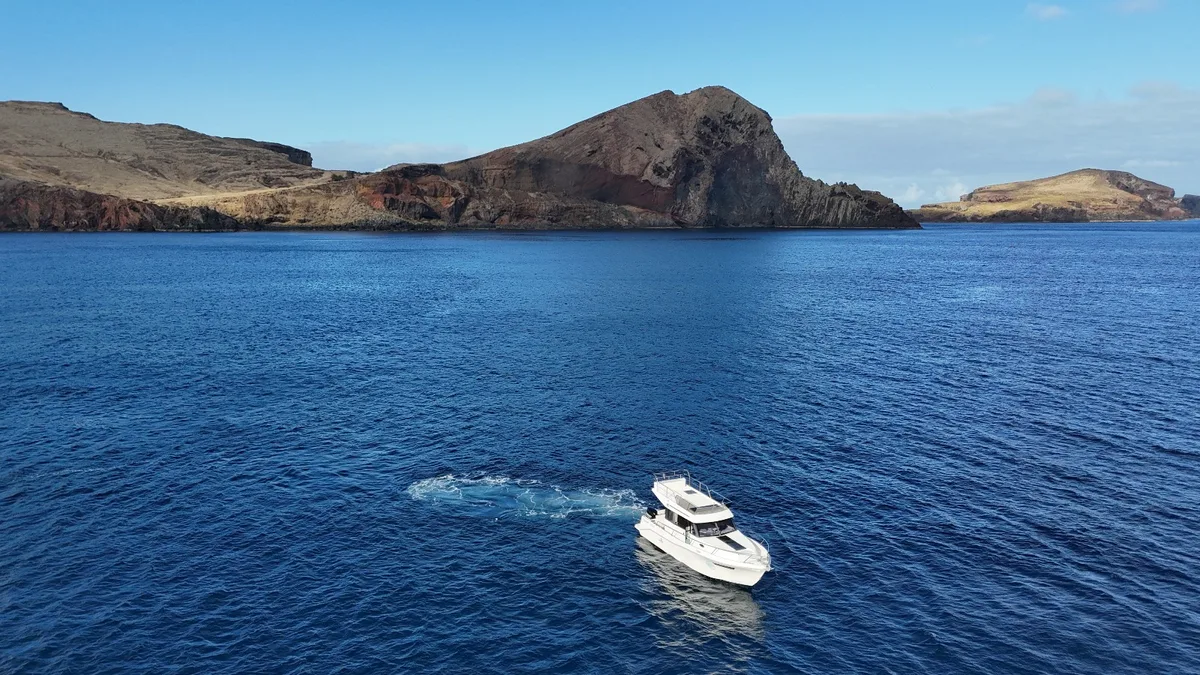
Embarking on a private boat tour in Madeira offers a unique perspective of the island's dramatic coastline and vibrant marine life. The archipelago, known for its mild climate and calm waters, provides excellent conditions for sailing throughout the year. Whether you are looking to relax on deck, swim in crystal-clear waters, or observe dolphins and whales in their natural habitat, a private charter allows for a personalised and flexible experience.
However, a day at sea is not just about leisure; it is also about respecting the environment and understanding the dynamics of the ocean. The waters surrounding Madeira are home to a rich biodiversity, and the region has strict regulations in place to protect its marine inhabitants. Knowing what to expect and how to prepare can make the difference between a good trip and an unforgettable one.
This guide covers the essential aspects of planning a private boat tour in Madeira, from understanding the rules of marine wildlife observation to preparing for the unpredictable nature of the sea. It also explains which questions to ask before departure, so expectations remain clear before the yacht leaves the marina.
Flexibility and Customisation of Private Charters
A private boat tour offers flexibility. Unlike group tours with fixed itineraries, a private charter allows you to tailor the experience to your preferences, within safety and weather limits. You can choose to spend more time swimming in a secluded bay, cruising along the towering cliffs of Cabo Girão, or simply relaxing on deck.
The skipper will work with you to design a route, but the final decision always rests with them. The skipper's primary responsibility is safety. Therefore, itineraries are subject to change based on sea state, wind conditions, and maritime forecasts.
When discussing preferences, it is helpful to have a general idea of what you hope to achieve. Some guests prioritise relaxation, while others are keen on wildlife observation. By communicating your interests early, the skipper can plan a route that maximises your chances of a fulfilling experience.
Marine Wildlife Observation Rules
Madeira is renowned for its marine life. While encountering dolphins or whales is a highlight, it is crucial to understand these are wild animals in their natural habitat. Sightings can never be guaranteed, and interactions are strictly regulated to minimise stress on the animals.
The observation of marine vertebrates in Madeira is governed by the Regional Legislative Decree No. 15/2013/M [1]. This legislation sets clear rules for approaching and observing cetaceans, which all operators must follow. For instance, vessels must maintain a minimum distance of 50 metres from whales and dolphins, and 25 metres from marine turtles [2]. The approach must be made parallel to the animals and from behind, leaving a 180-degree clear path ahead of them [3].
Furthermore, the speed of the vessel must be reduced to less than 12 knots when within 500 metres of the animals, and to less than 8 knots within 300 metres [2]. The maximum observation time allowed is 10 minutes per vessel, with a cumulative limit of 40 minutes per group of animals if multiple boats are present [4]. It is strictly forbidden to feed, pursue, or provoke sudden changes in direction near marine animals [3]. Night observation of cetaceans, as well as the use of jet skis or drones near the animals, is also prohibited [1].
These rules are legal requirements designed to protect the marine ecosystem. A responsible skipper will always prioritise the welfare of the animals. If the animals show signs of distress, the vessel must slowly move away.
Safety Protocols and Sea Conditions
Safety is paramount. Before setting sail, the skipper will provide a safety briefing. This includes the location and proper use of life jackets and other emergency equipment. It is essential to pay attention and follow the skipper's instructions at all times.
Sea conditions in Madeira can change rapidly. The Portuguese Institute for Sea and Atmosphere (IPMA) provides regular maritime forecasts, which the skipper will consult. If conditions are deemed unsafe, the trip may be altered, postponed, or cancelled. This is a standard procedure done entirely for your safety.
Boats move constantly, and decks can become slippery when wet. Always keep one hand free to hold onto railings when moving around the vessel. Wear appropriate footwear with non-slip soles, and avoid walking barefoot unless advised otherwise.
Swimming and Snorkelling Guidelines
Many private boat tours include opportunities for swimming and snorkelling. The skipper will anchor in a safe location, often in a sheltered bay with clear waters. However, swimming in the open ocean is different from swimming in a pool. There may be currents, swells, or marine life to consider.
Always wait for the skipper's permission before entering the water, and never swim alone. If you are not a confident swimmer, inform the crew immediately. Note that swimming with dolphins or whales is strictly regulated in Madeira and generally prohibited without specific authorisation.
When snorkelling, be mindful of the marine environment. Do not touch or stand on rocks or coral, as this can damage fragile ecosystems. Observe marine life from a respectful distance and avoid sudden movements.
What to Bring and How to Prepare
Preparing for a boat trip involves more than packing a swimsuit. The weather at sea can be cooler and windier than on land. It is advisable to bring layers of clothing, including a windproof jacket. Sun protection is crucial, as the reflection of the sun on the water increases UV exposure. Bring high-SPF sunscreen, polarised sunglasses, and a hat.
Staying hydrated is important, so bring a reusable water bottle. Finally, don't forget your camera to capture the views, but ensure it is protected from water and salt spray.
Managing Seasickness on the Ocean
If you are prone to seasickness, prepare well in advance. While the waters around Madeira are often calm, ocean swells can occur. Avoid heavy meals and excessive alcohol consumption before the trip.
If you require medication for motion sickness, consult a healthcare professional before your journey, as the crew cannot dispense medical advice on board. Seek professional guidance to find the most suitable solution.
If you start feeling unwell during the trip, inform the crew immediately. They can suggest the best place to sit, usually towards the stern, and advise you to keep your eyes on the horizon. Fresh air and staying hydrated can help alleviate symptoms.
Public Facts vs. Operational Decisions
When planning a private boat tour, distinguish between public facts and operational decisions. Public facts include geographical features, marine life presence, and legal regulations. These are constants that apply to all operators. For example, the law requiring a 50-metre distance from whales is a public fact.
Operational decisions are made by the skipper based on the specific circumstances of the day. These include the exact route, the duration of stops, and the decision to alter or cancel a trip due to weather. Understanding this distinction helps set realistic expectations.
Sources
This guide uses the following official or specialist references. Confirm time-sensitive details at source before making travel plans.
Practical answers before you travel.
Can we guarantee seeing whales or dolphins on our private tour?
No, sightings cannot be guaranteed. Cetaceans are wild animals in their natural habitat, and their presence is unpredictable. While Madeira has a high success rate for sightings due to resident populations and migratory routes, it is never a certainty on any given day.
Are we allowed to swim with the dolphins?
Swimming with dolphins or whales is strictly regulated in Madeira and is generally prohibited during standard boat tours. It requires specific authorisation and must be conducted by licensed operators under strict conditions to ensure the safety of both humans and animals.
Who decides the itinerary for the day?
While you can suggest preferences and desired stops, the final decision on the itinerary rests entirely with the skipper. They will base their decisions on the sea state, weather conditions, and safety considerations, which can change throughout the day.
What happens if the weather is bad on the day of our charter?
If the skipper determines that the sea or weather conditions are unsafe, the trip may be altered, postponed, or cancelled. Safety is always the top priority, and operators will not risk passenger well-being for the sake of a tour.
Can we get closer than 50 metres to the whales if they are calm?
No, the law requires vessels to maintain a minimum distance of 50 metres from whales and dolphins at all times. If the animals choose to approach the boat voluntarily, the skipper will put the engine in neutral and allow them to pass safely, but the boat cannot actively approach closer.
Is it possible to do a night tour to see marine life?
No, the night observation of cetaceans is strictly prohibited by law in Madeira to minimise disturbance to the animals and ensure their natural behaviours are not disrupted.