
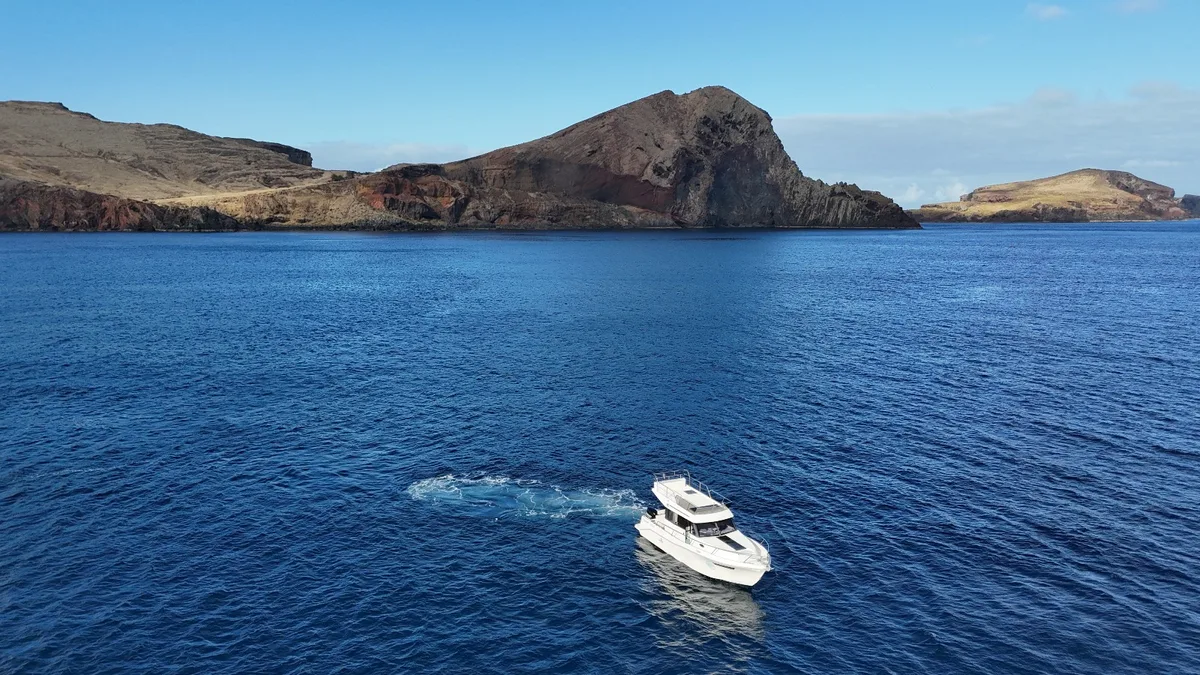
When planning a private yacht charter in the Atlantic Ocean, understanding the local environment is essential for a comfortable and enjoyable experience. The Madeira archipelago is renowned for its mild, subtropical climate, which allows for year-round sailing and marine activities. However, the ocean is a dynamic environment, and conditions can change. Knowing what to expect from the weather and the sea will help you prepare for your voyage and ensure that your expectations align with the realities of navigating these waters.
For guests embarking on a private boat trip, the focus is often on relaxation, sightseeing, and perhaps encountering some of the region's magnificent marine life. While the crew handles the technical aspects of navigation and safety, having a basic understanding of the maritime environment enhances your appreciation of the journey. This guide provides an overview of Madeira's weather patterns, sea conditions, and the operational decisions that ensure your safety and comfort at sea.
The Subtropical Climate of Madeira
Madeira benefits from a subtropical climate, which translates to mild temperatures and generally pleasant weather throughout the year. The island's geographical location, combined with the influence of the Gulf Stream, creates an environment where extreme weather is rare. Average air temperatures typically range from 15°C (59°F) during the winter months to a comfortable 25°C (77°F) in the height of summer [1]. This consistency makes Madeira an attractive destination for yacht charters regardless of the season.
However, it is important to note that Madeira is an island with diverse microclimates. The weather you experience at the marina in Funchal might differ from the conditions encountered just a few miles offshore or along the northern coast. The southern and western coasts are generally warmer and more sheltered from prevailing winds, making them the preferred routes for most leisure charters. The northern coast, by contrast, is often more exposed to wind and swells, presenting a different sailing experience.
Understanding Sea Conditions and Water Temperatures
The Atlantic Ocean surrounding Madeira is deep and open, with depths reaching up to 3,000 metres relatively close to the shore. This deep-water environment contributes to the rich marine biodiversity found here, but it also means that sea conditions are influenced by broader oceanic patterns. While the waters along the sheltered southern coast are often calm, the sea state can vary depending on wind direction, tides, and distant weather systems.
Water temperatures in Madeira are remarkably stable, making swimming and snorkelling viable activities for much of the year. The sea surface temperature generally ranges from 18°C (64°F) in the winter to around 24°C (75°F) in the summer [2]. While these temperatures are inviting, the decision to anchor for swimming always depends on the immediate sea conditions and the skipper's assessment of safety.
Public Facts vs. Operational Decisions
When booking a yacht charter, it is crucial to distinguish between general environmental facts and the specific operational decisions made on the day of your trip. While historical data provides a reliable overview of Madeira's climate, the actual conditions on the water dictate the course of your charter.
Setting Realistic Expectations
When you book a private yacht charter, it is essential to maintain realistic expectations regarding the weather and sea conditions. While Madeira is famous for its beautiful sunny days and generally calm coastal waters, the Atlantic Ocean remains a powerful and unpredictable force of nature. The public facts about average temperatures and typical wind patterns are useful for general planning, but they do not guarantee the exact conditions you will experience on any given day.
Guests should understand that the ocean environment is dynamic. A morning that begins with perfectly still waters can transition into a breezy afternoon with a noticeable swell. This variability is a normal part of the maritime experience. By accepting that the sea dictates the terms of the voyage, you can approach your charter with a flexible mindset, ready to enjoy the unique beauty of the ocean in its various moods.
Questions to Ask Your Charter Operator
To ensure a smooth and enjoyable experience, it is highly recommended to ask your charter operator specific questions before your trip. Inquire about their policies regarding weather-related cancellations or rescheduling. Ask how they handle sudden changes in sea conditions while out on the water. You might also want to ask about the specific type of vessel you will be on and how it handles different sea states, as larger yachts or catamarans often provide a more stable ride than smaller speedboats. Understanding these operational details in advance will give you peace of mind and help you prepare appropriately for your day at sea.
The Role of the Skipper
The skipper is ultimately responsible for the safety of the vessel and all passengers on board. Decisions regarding the itinerary, the speed of the yacht, and whether it is safe to anchor or swim are made by the skipper based on real-time assessments. If the wind picks up or the swell increases, the skipper may alter the planned route to seek more sheltered waters. These decisions are non-negotiable and are made entirely with your safety and comfort in mind.
Weather Warnings and Maritime Authority
The operation of all vessels in Madeira is subject to the regulations and advisories issued by the local maritime authorities. The Captaincy of the Port of Funchal and the National Maritime Authority regularly issue navigation warnings based on weather and sea state forecasts [4]. If official warnings indicate unsafe conditions, charter companies may be required to delay, alter, or cancel trips. This is a standard safety protocol designed to protect everyone at sea.
Marine Life and Responsible Navigation
Madeira's waters are home to a diverse array of marine life, including various species of dolphins, whales, and sea turtles. Encountering these animals in their natural habitat is a highlight for many yacht guests. However, it is important to understand that these are wild animals, and sightings can never be guaranteed. Their presence depends entirely on natural factors and seasonality.
Furthermore, navigation around marine life is strictly regulated to protect the animals and their environment. When cetaceans (whales and dolphins) are spotted, the skipper must adhere to specific rules of conduct. Vessels are required to reduce speed gradually, maintaining a maximum of 12 knots within 300 metres of the animals and 8 knots within 100 metres [5].
The law also mandates that boats maintain a minimum distance of 50 metres from whales and dolphins, and 25 metres from sea turtles [3]. The approach must be careful, allowing the animals to dictate the interaction. If the animals choose to approach the yacht, the engines may be put in neutral. The maximum observation time is limited to 10 minutes per vessel, ensuring that the animals are not subjected to prolonged stress [4]. Guests must remember that pursuing, touching, or feeding marine life is strictly prohibited, and swimming with dolphins or whales is not permitted without specific scientific authorization.
Practical Planning for Your Charter
Preparing for a yacht charter in Madeira involves more than just packing a bag; it requires thoughtful consideration of the maritime environment. Even on a warm, sunny day in Funchal, the temperature can feel significantly cooler once you are out on the open ocean, especially when the yacht is moving and the sea breeze picks up. Proper planning ensures that you remain comfortable and can fully enjoy the experience without being distracted by being too cold, too hot, or unprepared for the sun.
What to Wear and Bring
Layering is the most effective strategy for dressing for a boat trip. Start with a swimsuit and light, breathable clothing, but always bring a windproof jacket or a warm sweater. The weather can change, and having layers allows you to adjust your comfort level throughout the day. Sun protection is also critical; the reflection of the sun off the water increases UV exposure. Bring a high-SPF sunscreen, sunglasses with UV protection, and a hat that fits securely.
Footwear should be practical. Most yachts require guests to remove their shoes or wear specific non-marking boat shoes to protect the deck. High heels and hard-soled shoes are generally not permitted on board.
Managing Seasickness
For guests who are prone to motion sickness, the open ocean can be a concern. While the southern coast of Madeira is often calm, the Atlantic swell can sometimes cause discomfort. If you know you are susceptible to seasickness, it is advisable to prepare in advance. Speak with a healthcare professional or a pharmacist about suitable over-the-counter medications before your trip. On board, staying hydrated, keeping your eyes on the horizon, and avoiding heavy meals immediately before sailing can help mitigate symptoms.
Sources
This guide uses the following official or specialist references. Confirm time-sensitive details at source before making travel plans.
Practical answers before you travel.
Is the sea in Madeira always calm?
While the sheltered southern coast often features calm waters, the sea state in the Atlantic Ocean can vary. Conditions depend on wind, tides, and weather systems. The skipper will always assess the conditions to ensure a safe and comfortable route.
Can we guarantee a specific route or itinerary?
No. While you can discuss your preferences, the final itinerary is always subject to the skipper's assessment of the weather and sea conditions on the day. Safety is the primary concern, and routes may be altered to avoid rough seas.
What happens if the weather is bad on the day of our charter?
If the maritime authorities issue warnings or the skipper determines that conditions are unsafe, the charter may be rescheduled or altered. Charter companies monitor the weather closely and will communicate any necessary changes prior to departure.
Is the water warm enough for swimming?
The sea surface temperature in Madeira ranges from approximately 18°C in winter to 24°C in summer. Many guests find this comfortable for swimming, but the decision to anchor and swim depends on the immediate sea conditions and the skipper's approval.
Why does the boat slow down when animals are spotted?
Strict regulations govern how vessels interact with marine life. Boats must reduce speed to a maximum of 12 knots within 300 metres and 8 knots within 100 metres of cetaceans to minimize noise and the risk of collision, ensuring the animals' safety.