
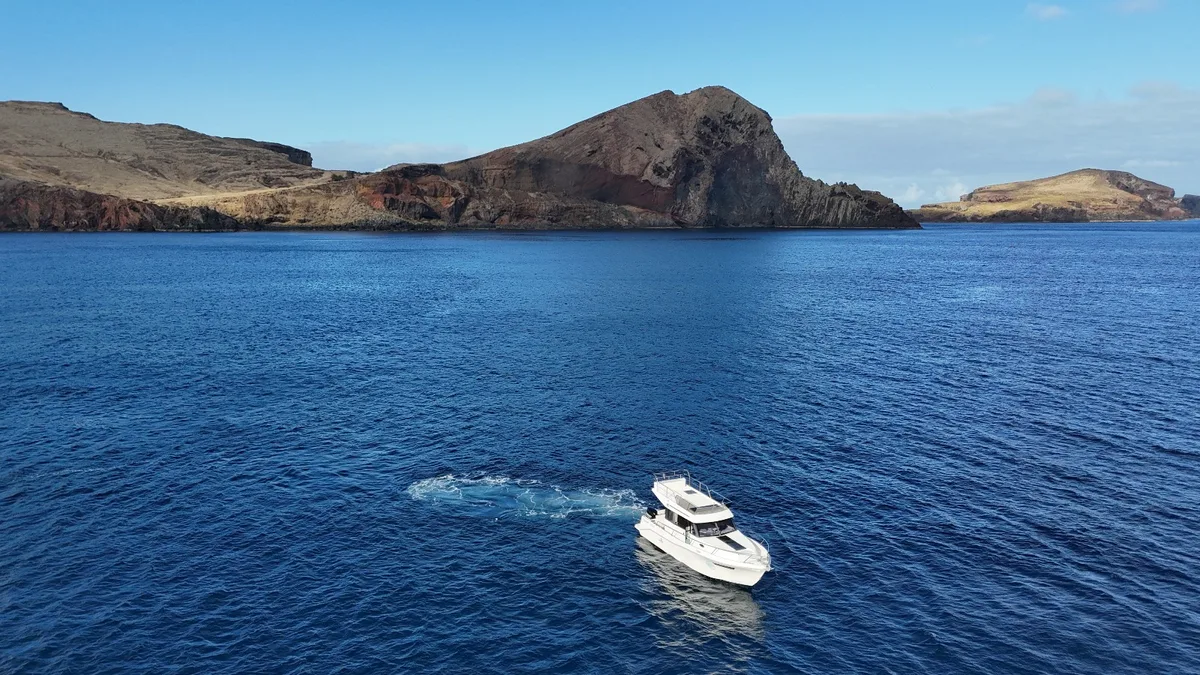
The Madeira archipelago is renowned for its dramatic coastal landscapes and rich biodiversity, much of which is safeguarded within its Marine Protected Areas. For guests exploring these waters on a private yacht, these reserves offer a unique opportunity to witness pristine marine ecosystems, from crystal-clear waters teeming with life to secluded island sanctuaries. However, visiting these protected zones comes with a profound responsibility to respect the delicate balance of nature.
Navigating through Madeira's marine reserves is not just about enjoying the scenery; it is about participating in a legacy of conservation. The regional government and environmental authorities have established strict guidelines to ensure that human presence does not disrupt the habitats of vulnerable species, such as the Mediterranean monk seal and various cetaceans [1]. Understanding these rules is essential for any yacht guest who wishes to experience the true beauty of Madeira's waters responsibly.
This guide provides an overview of the key Marine Protected Areas in Madeira, detailing what makes each location special and outlining the essential regulations that govern yacht navigation, anchoring, and recreational activities within these sanctuaries.
The Garajau Partial Nature Reserve
Created in 1986, the Garajau Partial Nature Reserve holds the distinction of being the first exclusively marine reserve established in Portugal [1]. Located on the southern coast of Madeira, this protected area is celebrated for its exceptional water clarity and vibrant underwater life, making it a premier destination for diving and snorkelling enthusiasts.
The reserve is perhaps most famous for its resident population of the dusky grouper, a large and relatively approachable fish that has become a symbol of the area's successful conservation efforts [1]. The marine life here thrives in a protected environment where commercial and recreational fishing, as well as spearfishing, are strictly prohibited [1].
For yacht guests, the Garajau reserve offers a tranquil setting for observing marine life. However, it is important to note that navigation and anchoring are subject to specific regulations to prevent damage to the seabed and disturbance to the fauna. Recreational diving is permitted, but it is highly regulated to ensure the preservation of the marine environment [1]. The captain of your chartered vessel will always ensure that the yacht is positioned in accordance with these strict environmental guidelines.
The Desertas Islands Nature Reserve
The Desertas Islands, a group of three uninhabited islands located southeast of Madeira, form a crucial sanctuary for one of the world's rarest seal species: the Mediterranean monk seal [1]. This nature reserve is a testament to dedicated conservation work, which has helped stabilize and slowly increase the local monk seal population over the past few decades.
Visiting the Desertas Islands by private yacht is a privilege that requires careful planning. Navigation within the reserve is subject to rigorous rules designed to protect the monk seals and the significant colonies of seabirds that nest on the islands [1]. Access to certain areas is restricted, and any approach must be conducted with the utmost respect for the wildlife.
Yacht guests should be aware that anchoring is only permitted in designated areas, and going ashore is generally restricted or requires specific authorization from the Institute for Forests and Nature Conservation [1]. The focus here is entirely on observation from a respectful distance, ensuring that the natural behaviour of the animals remains undisturbed. Your crew will manage all necessary navigation protocols to comply with these conservation measures.
The Selvagens Islands Nature Reserve
Situated closer to the Canary Islands than to Madeira itself, the Selvagens Islands represent one of the most intact marine ecosystems in the North Atlantic [1]. Established as a nature reserve in 1971, this remote archipelago is a vital nesting ground for numerous seabird species and boasts a pristine marine environment that has remained largely untouched by human development.
Due to their ecological significance and remote location, the Selvagens Islands are subject to the highest level of protection. Visiting this reserve by yacht is a rare and highly regulated experience. Special authorization from the environmental authorities is mandatory for any vessel wishing to navigate within the reserve's waters or anchor near the islands [1].
For those who do obtain permission, the Selvagens offer an unparalleled glimpse into an untouched natural world. However, guests must adhere strictly to all guidelines provided by the authorities and the yacht's captain, as the primary objective of this reserve is absolute preservation. The journey to these islands also requires careful consideration of maritime conditions, as the open ocean crossing can be demanding.
The Importance of Marine Conservation in Madeira
The establishment of Marine Protected Areas in Madeira is not merely a local initiative; it is a vital contribution to global marine conservation efforts. The waters surrounding the archipelago are characterized by their remarkable depth and the presence of complex underwater topographies, such as seamounts and deep-sea canyons. These geological features create unique habitats that support a diverse array of marine life, from microscopic plankton to the largest whales [2].
By protecting these areas, Madeira ensures the preservation of critical breeding and feeding grounds for numerous species. The reserves act as safe havens where marine populations can recover from the pressures of human activities, such as overfishing and habitat destruction. This, in turn, helps to maintain the overall health and resilience of the marine ecosystem, which is essential for the long-term sustainability of the local environment and the communities that depend on it [3].
For yacht guests, understanding the broader ecological significance of these reserves adds a profound layer of meaning to their journey. It transforms a simple boat trip into an educational experience, highlighting the interconnectedness of all marine life and the importance of responsible stewardship. When you navigate these waters, you are not just a visitor; you are a witness to a successful model of environmental protection that serves as an inspiration for conservation efforts worldwide.
Rules for Responsible Yacht Navigation
When sailing through Madeira's Marine Protected Areas, the overarching principle is to minimize human impact. The regulations in place are not merely suggestions; they are legal requirements designed to protect the marine environment for future generations. Compliance is monitored by maritime authorities to ensure the ongoing protection of these vulnerable ecosystems [4].
One of the most critical rules involves the observation of marine vertebrates, particularly whales and dolphins. The regional legislation mandates that vessels maintain a safe distance from cetaceans and follow specific approach guidelines to avoid causing stress or altering the animals' natural behaviour [1][5]. It is strictly forbidden to pursue, touch, or feed marine mammals, and swimming with them is not permitted under any circumstances [1].
Furthermore, the extraction of any biological or geological material from the reserves is strictly prohibited [1]. This includes shells, corals, and even sand. Yacht guests must also be mindful of noise pollution, as loud sounds can be highly disruptive to marine life. The captain will manage the vessel's speed and approach angles to ensure that the yacht's presence remains as unobtrusive as possible.
Understanding Operational Decisions vs. Public Facts
It is crucial for yacht guests to differentiate between the established facts regarding Madeira's Marine Protected Areas and the operational decisions made during a charter. While the ecological significance and the general rules of the reserves are public facts, the specific details of a yacht trip are subject to operational variables.
For instance, while a reserve may be open to visitors, the decision to navigate to a specific area, anchor, or permit snorkelling rests entirely with the yacht's captain. These decisions are based on real-time assessments of weather conditions, sea state, and the specific regulations in force on that day. The captain's primary responsibility is the safety of the guests and the vessel, as well as strict compliance with environmental laws [4].
Therefore, guests should not expect guaranteed access to all areas of a reserve or guaranteed sightings of specific wildlife. The beauty of exploring these protected waters lies in the unpredictability of nature and the privilege of observing it on its own terms.
Sources
This guide uses the following official or specialist references. Confirm time-sensitive details at source before making travel plans.
Practical answers before you travel.
Can we anchor anywhere within the Marine Protected Areas?
No, anchoring is strictly regulated within Madeira's Marine Protected Areas. In many zones, anchoring is entirely prohibited to protect the delicate seabed and marine habitats. Where permitted, it is restricted to specific designated areas. The yacht's captain will always know the legal and safe locations to anchor based on current maritime regulations.
Are we guaranteed to see monk seals at the Desertas Islands?
Sightings of the Mediterranean monk seal are never guaranteed. They are wild animals in their natural habitat, and their movements are unpredictable. The primary goal of the reserve is their protection, which means observation must be passive and respectful of their space.
Do we need special permits to visit the marine reserves?
Navigation in certain areas, particularly the Selvagens Islands and specific zones of the Desertas Islands, requires prior authorization from the Institute for Forests and Nature Conservation. Your yacht charter operator will typically handle any necessary permits for the planned itinerary before departure.
Is fishing allowed from the yacht while in a marine reserve?
No, commercial and recreational fishing, as well as spearfishing, are strictly prohibited within the total protection zones of Madeira's Marine Protected Areas. These areas are designated as safe havens for marine life to thrive and reproduce without human interference.
Can we swim with dolphins or whales if we see them?
Swimming with cetaceans is strictly prohibited by regional legislation in Madeira. This rule is in place to protect the animals from stress and disturbance. Observation must be done from the vessel, maintaining a safe and legal distance as determined by the captain.
What should we do if we encounter marine wildlife?
If you encounter marine wildlife, the most important thing is to remain quiet and observe from a distance. Do not attempt to feed, touch, or pursue the animals. The yacht's captain will ensure the vessel is positioned correctly and legally to allow for safe observation without disturbing the wildlife.