
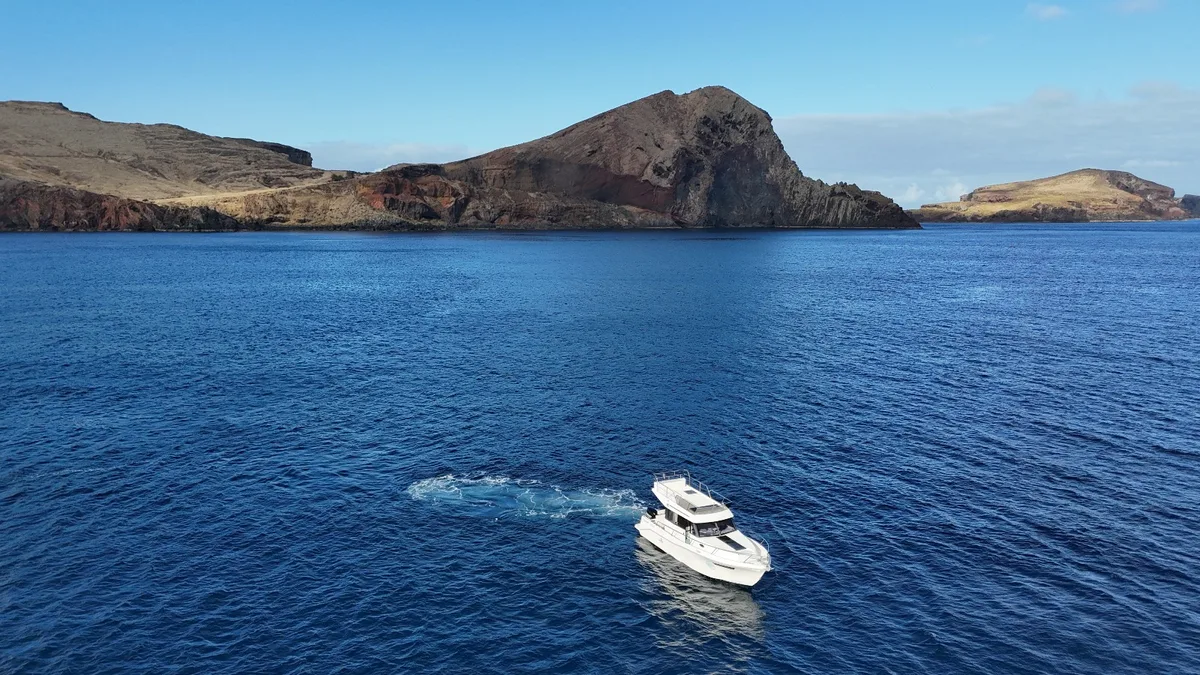
Booking a private yacht charter in Madeira is a memorable way to experience the island's dramatic coastline and rich marine life. Whether planning a romantic sunset cruise, a family gathering, or a full day of exploration, selecting the right operator and vessel is essential for a safe journey. The archipelago offers various maritime experiences, but understanding local regulations, the crew's role, and the realities of navigating the Atlantic Ocean helps you make an informed decision.
When stepping aboard a private yacht, you are trusting a professional team to guide you through an unpredictable environment. The waters around Madeira host diverse marine species and are subject to specific weather patterns. Therefore, choosing a charter involves more than picking a visually appealing vessel. It requires understanding safety standards, the skipper's expertise, and the legal frameworks protecting passengers and the natural habitat.
This guide walks you through the key factors to consider when selecting a private yacht charter in Madeira, providing the knowledge needed to plan a responsible day at sea.
The Role of the Skipper on a Private Charter
The skipper is the most important person on board your private yacht charter. While they serve as your guide and host, their primary responsibility is the safety of the vessel and everyone on it. In Madeira, maritime tourism is a regulated activity, and skippers must hold specific licenses and qualifications to operate commercial vessels [1]. They possess extensive knowledge of the local waters, weather patterns, and the specific handling characteristics of their boat.
When you charter a yacht, the skipper is the ultimate authority. They make the final decisions regarding the itinerary, the speed of the vessel, and whether it is safe to proceed with the planned route. This is particularly important in the Atlantic Ocean, where sea conditions can change rapidly. A professional skipper will constantly monitor weather forecasts and maritime warnings issued by the Portuguese Institute for the Sea and Atmosphere (IPMA) and the Captaincy of the Port of Funchal [5]. If the skipper decides to alter the course or return to port early, it is always with the safety of the passengers in mind.
Furthermore, the skipper plays a crucial role in ensuring that the charter complies with local environmental laws. When encountering marine wildlife, the skipper must navigate the vessel according to strict guidelines to minimize disturbance to the animals [2]. They are trained to approach wildlife safely, ensuring a respectful and legal observation experience.
Understanding Safety Regulations and Lotação
Safety should be the top priority when choosing a private yacht charter. In Madeira, all vessels engaged in maritime tourism must adhere to rigorous safety standards enforced by the Captaincy of the Port of Funchal and the National Maritime Authority [4]. Before booking, it is entirely appropriate to ask the operator about their safety protocols and the equipment available on board.
Every commercial vessel has a strictly defined maximum capacity, known as the "lotação de segurança" [4]. This number is determined by the maritime authorities based on the size, design, and safety equipment of the boat. It is illegal and unsafe to exceed this limit. When planning your charter, you must provide the exact number of passengers in your group, including children and infants, to ensure the vessel is legally permitted to accommodate everyone.
In addition to capacity limits, charter yachts are required to carry specific safety equipment, including life jackets, life rafts, distress flares, fire extinguishers, and VHF radios. The operator must also hold valid civil liability insurance [1]. A reputable charter company will be transparent about their safety measures and will conduct a brief safety briefing before departing.
What is Included in Your Charter
When comparing different private yacht charters, it is essential to understand exactly what is included in the price. Inclusions can vary significantly between operators and the type of vessel you choose. A clear understanding of the package will help you avoid unexpected costs and ensure the experience meets your expectations.
Most private charters include the services of the skipper and additional crew members. Fuel is typically included for a standard itinerary, but a longer route or higher speeds may incur a fuel surcharge. It is important to clarify this before setting sail.
Food and beverages are another key consideration. Some luxury charters offer fully catered experiences, while others may provide only basic snacks and water. If catering is included, communicate any dietary restrictions to the operator well in advance. Additionally, check if the charter provides equipment for water activities and whether there are any extra fees for their use.
Navigating Weather and Sea Conditions
The Atlantic Ocean surrounding Madeira is known for its dynamic conditions. While the island enjoys a mild subtropical climate year-round, the sea state can vary depending on the wind direction, swell, and local microclimates. Understanding how weather impacts your charter is crucial for setting realistic expectations.
The Portuguese Institute for the Sea and Atmosphere (IPMA) provides regular marine meteorological forecasts that skippers rely on to plan safe routes [5]. It is not uncommon for a planned itinerary to be adjusted on the day of the charter due to unfavourable wind or wave conditions.
Passengers should be prepared for the possibility that the sea may not always be perfectly calm. If you are prone to seasickness, it is advisable to consult a healthcare professional before boarding and to discuss your concerns with the skipper. Remember that the skipper's decision to alter or cancel a trip due to weather is a mark of professionalism and a commitment to your safety.
Responsible Marine Wildlife Observation
One of the highlights of sailing in Madeira is the opportunity to encounter marine wildlife, including various species of dolphins, whales, and sea turtles. However, it is vital to understand that these are wild animals in their natural habitat. No responsible operator can guarantee sightings, and any promises of guaranteed encounters should be viewed with skepticism.
The observation of cetaceans in Madeira is strictly regulated by the Institute for Forests and Nature Conservation (IFCN) [2]. When choosing a charter, ensure the operator is licensed for marine wildlife observation and adheres to the legal guidelines, including maintaining a minimum distance of 50 meters from whales and dolphins [2].
Furthermore, the speed of the vessel must be reduced to a maximum of 8 knots when within the approach zone [3]. The total observation time for a single group of cetaceans is limited to 40 minutes [2]. It is strictly prohibited to feed, touch, or swim with the animals. A reputable skipper will prioritize the well-being of the wildlife, ensuring that your encounter is ethical and legal.
Differentiating Public Facts from Operational Decisions
When planning your private yacht charter, it is helpful to distinguish between public facts—such as maritime laws and weather patterns—and operational decisions made by the charter company or the skipper.
Public facts include the legal requirements for vessel capacity, the mandatory safety equipment, and the strict regulations governing the observation of marine wildlife [2] [4]. These are non-negotiable and apply to all operators in Madeira. Similarly, the weather forecasts and sea state warnings issued by the IPMA are objective data points that influence maritime activities [5].
Operational decisions are specific to the charter company and the skipper. These include the exact route taken, the speed at which the yacht travels, and the amenities provided on board. The skipper's decision to alter an itinerary due to sudden changes in wind or swell is an operational choice based on their professional assessment of the public facts. Understanding this distinction helps manage expectations and fosters a cooperative relationship with your crew.
Sources
This guide uses the following official or specialist references. Confirm time-sensitive details at source before making travel plans.
Practical answers before you travel.
Do I need a license to charter a private yacht in Madeira?
No, you do not need a license if you are booking a skippered charter. The professional skipper provided by the operator holds all the necessary qualifications and is responsible for navigating the vessel safely throughout your journey.
Can we choose our exact itinerary for the day?
While you can discuss your preferences with the operator, the final itinerary is always subject to the skipper's approval based on the weather, sea conditions, and the duration of your charter. The skipper's primary concern is always the safety of the passengers and the vessel.
Are we guaranteed to see whales or dolphins?
No. Cetaceans are wild animals, and their presence is unpredictable. While Madeira has a rich marine life, sightings can never be guaranteed by any responsible operator, as the animals move freely in their natural habitat.
What happens if the weather is bad on the day of our charter?
If the skipper or the maritime authorities determine that the sea conditions are unsafe, the charter will be altered, rescheduled, or cancelled. Safety is always the primary concern, and professional operators will not risk navigating in dangerous conditions.
Can we swim with the dolphins if we see them?
No. Swimming with dolphins or whales is strictly prohibited by law in Madeira to protect the animals from stress and disturbance. Observation must be done from the vessel, maintaining the legally required distances.
Is there a limit to how many people we can bring?
Yes. Every vessel has a strict legal maximum capacity, known as the lotação de segurança, determined by the maritime authorities. You cannot exceed this number under any circumstances, and all passengers, including infants, count towards this limit.
What should we do if someone in our group is prone to seasickness?
If you are prone to seasickness, it is advisable to consult a healthcare professional or pharmacist before your trip for appropriate preventative measures. On board, inform the skipper, who may be able to select a smoother route or provide advice on where to sit for the most comfortable ride.