
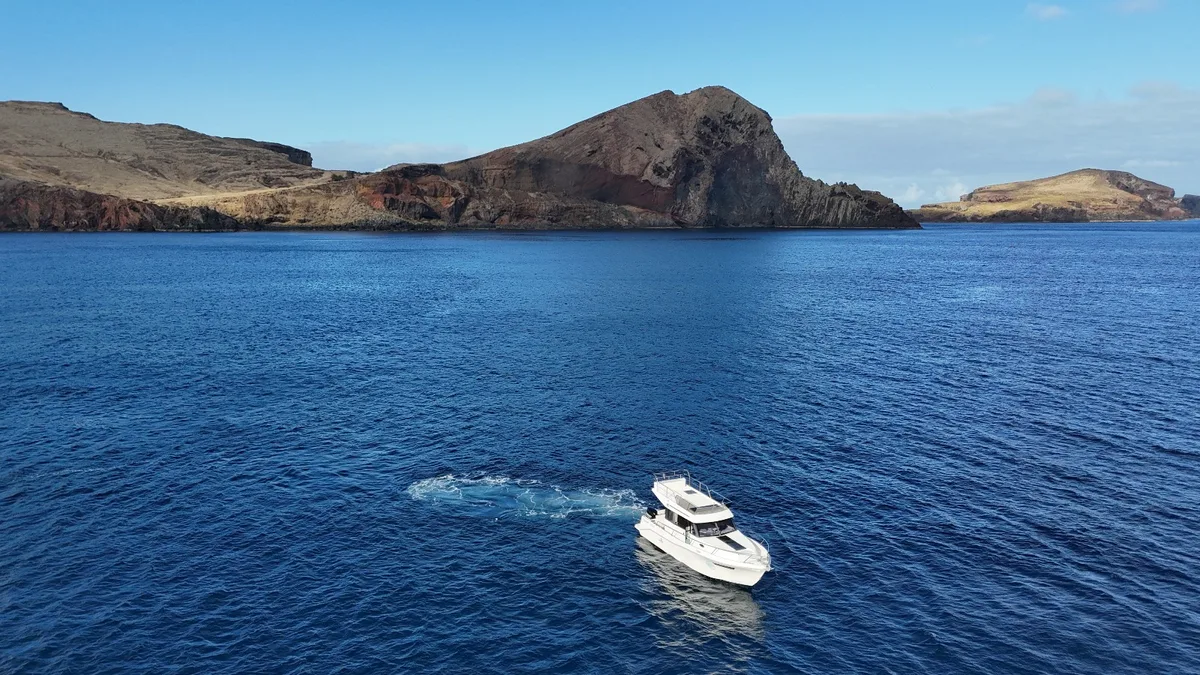
The Garajau Marine Reserve, located on the southern coast of Madeira, is a sanctuary of marine biodiversity and a testament to the island's commitment to environmental conservation. Established in 1986, it holds the distinction of being the first exclusively marine reserve in Portugal [1]. For guests on a private yacht charter, visiting this protected area offers a unique opportunity to witness thriving underwater ecosystems in their natural state. However, navigating these waters requires a deep understanding of the strict regulations designed to protect this fragile environment.
A private boat tour to the Garajau Marine Reserve is not just a sightseeing trip; it is an immersion into a carefully managed ecosystem. The reserve was created primarily to prevent the desertification of the seabed and to safeguard the rich biodiversity of Madeira's southern coast [2]. As you approach the reserve, the contrast between the bustling coastline and the tranquil, protected waters becomes immediately apparent. The crystal-clear waters here allow for visibility at depths exceeding 20 metres, revealing a vibrant underwater world that is rarely seen elsewhere [3].
Understanding the rules and the ethos of responsible visitation is crucial for anyone planning to explore the Garajau Marine Reserve by boat. This guide will walk you through the natural wonders of the reserve, the strict regulations that govern it, and how you can ensure your visit contributes to the preservation of this extraordinary marine habitat.
The Natural Wonders of Garajau
The Garajau Marine Reserve is renowned for its exceptional biodiversity, which thrives thanks to decades of strict protection. The reserve extends from the 50-metre bathymetric line in the south to the high-tide line in the north, bordered by the Lazareto Pier to the west and Ponta da Oliveira to the east [4]. Within these boundaries, the marine life flourishes undisturbed by commercial or recreational fishing.
One of the most iconic residents of the reserve is the Dusky Grouper (Epinephelus marginatus), locally known as the "mero" [2]. These large, curious fish are often spotted by divers and snorkellers, gliding gracefully through the clear waters. Alongside the groupers, the reserve is occasionally visited by majestic manta rays (Mobula mobular), adding to the allure of the underwater landscape [3]. It is important to remember that these are wild animals, and their presence can never be guaranteed. The thrill of a visit lies in the possibility of an encounter, rather than a certainty.
The seabed itself is a complex ecosystem, featuring rocky reefs, caves, and sandy patches that provide habitat for a wide variety of marine species. The clarity of the water, often exceeding 20 metres in visibility, makes it an ideal location for underwater observation [3]. Whether you are looking down from the deck of a yacht or exploring beneath the surface, the vibrant colours and dynamic interactions of the marine life are a constant source of fascination. The volcanic origins of Madeira are evident in the underwater topography, with dramatic drop-offs and intricate rock formations that serve as nurseries for juvenile fish and hiding places for crustaceans.
Strict Conservation Rules
The preservation of the Garajau Marine Reserve relies on strict adherence to a set of regulations designed to minimize human impact. These rules are enforced by the Madeira Nature Park service, and compliance is mandatory for all visitors, including those on private yacht charters [2].
First and foremost, all forms of fishing, whether commercial or recreational, are strictly prohibited within the reserve's boundaries [1]. This includes spearfishing, which is entirely banned. The extraction of any marine plants, animals, or geological materials, such as sand or rocks, is also forbidden [1]. These measures ensure that the ecosystem remains intact and that the marine life can thrive without the pressure of exploitation.
Navigation within the reserve is also heavily regulated. Motorized vessels are generally prohibited from navigating within the reserve's limits, except for the specific purpose of approaching the beaches [1]. This restriction minimizes noise pollution and the risk of boat strikes, creating a safe haven for the marine inhabitants. When a private yacht visits the area, the skipper will carefully manage the approach and anchoring to ensure full compliance with these regulations. The skipper's knowledge of the local laws is essential for a seamless and respectful visit.
Responsible Snorkelling and Diving
While motorized navigation is restricted, the Garajau Marine Reserve welcomes amateur diving and non-motorized water sports, such as kayaking and swimming [3]. For guests on a private yacht, this presents a wonderful opportunity to explore the waters responsibly.
If you choose to snorkel or dive, it is imperative to follow the principles of responsible interaction with marine life. Touching, chasing, or harassing any marine animal is strictly prohibited. The goal is to observe without interfering. Furthermore, feeding the fish, including the famous groupers, is a harmful practice that disrupts their natural diet and behaviour, and it is strictly forbidden [2].
When entering the water from a yacht, ensure that you are aware of your surroundings and avoid standing on or touching the rocky reefs, which are home to delicate organisms. By maintaining a respectful distance and moving calmly through the water, you increase your chances of observing the marine life in its natural, undisturbed state. The use of environmentally friendly sunscreen is also highly recommended to prevent chemical damage to the marine ecosystem.
The Role of the Skipper and Crew
When you charter a private yacht to visit the Garajau Marine Reserve, the skipper and crew play a vital role in ensuring that your experience is both enjoyable and compliant with local regulations. Their expertise goes beyond simply navigating the vessel; they act as guides and stewards of the marine environment.
The skipper is responsible for monitoring the weather and sea conditions, which can change rapidly around Madeira. They rely on official forecasts from the Portuguese Institute for Sea and Atmosphere (IPMA) to make informed decisions about the safety of the journey [5]. If the sea state is too rough or the winds are unfavourable, the skipper may need to alter the itinerary or choose an alternative destination. This is a crucial aspect of maritime safety and should be respected by all guests.
Furthermore, the crew is trained to brief guests on the rules of the reserve before arriving. They will explain the restrictions on fishing, the importance of not feeding the marine life, and the guidelines for responsible snorkelling. By following their instructions, you contribute to the ongoing conservation efforts that keep the Garajau Marine Reserve pristine.
Planning Your Visit
A visit to the Garajau Marine Reserve requires careful planning, particularly when chartering a private yacht. The experience is heavily dependent on the weather and sea conditions, which can vary. Your skipper will monitor the forecasts provided by the Portuguese Institute for Sea and Atmosphere (IPMA) to ensure a safe and comfortable journey [5].
When discussing your itinerary with the charter operator, make sure to express your interest in visiting the reserve. They can advise on the best times to visit and the most suitable vessels for the trip. Keep in mind that the skipper has the final say on the route and activities, prioritizing safety and compliance with local regulations above all else.
It is also important to manage your expectations. The Garajau Marine Reserve is a wild environment, not an aquarium. The marine life you encounter will depend on the season, the time of day, and the natural movements of the animals. Embrace the unpredictability of nature and enjoy the pristine beauty of the protected waters. Preparing for the trip by bringing appropriate gear, such as a mask and snorkel, and understanding the physical demands of swimming in open water will enhance your experience.
Public Facts vs. Operational Decisions
When planning a boat tour to the Garajau Marine Reserve, it is essential to distinguish between the established facts about the reserve and the operational decisions made by your charter company.
The boundaries of the reserve, the prohibition of fishing, and the restrictions on motorized navigation are public facts established by regional law [1]. These rules apply universally and cannot be altered by any tour operator. Similarly, the presence of species like the Dusky Grouper and the manta ray is a documented fact, but their appearance on any given day is entirely up to nature.
On the other hand, the specific route your yacht takes, the duration of the stop near the reserve, and the decision to allow swimming or snorkelling are operational decisions made by the skipper. These decisions are based on real-time assessments of the sea state, wind conditions, and the capabilities of the vessel and its guests. A responsible operator will never guarantee a specific itinerary or an exact duration for activities, as safety and environmental compliance must always come first.
Sources
This guide uses the following official or specialist references. Confirm time-sensitive details at source before making travel plans.
Practical answers before you travel.
Can we fish while visiting the Garajau Marine Reserve?
No. All forms of fishing, including commercial, recreational, and spearfishing, are strictly prohibited within the boundaries of the Garajau Marine Reserve to protect its ecosystem.
Are we guaranteed to see the large groupers (meros)?
No. While the reserve is known for its population of Dusky Groupers, they are wild animals in their natural habitat. Sightings can never be guaranteed.
Can our yacht sail freely through the reserve?
No. Motorized vessels are prohibited from navigating within the reserve, except for the specific purpose of approaching the beaches. Your skipper will ensure compliance with these navigation rules.
Is it allowed to feed the fish while snorkelling?
No. Feeding marine life is strictly forbidden as it disrupts their natural diet, alters their behaviour, and can be harmful to their health.
Can we take shells or rocks from the reserve as souvenirs?
No. The extraction of any marine plants, animals, or geological materials, including sand and rocks, is strictly prohibited by law.
Who enforces the rules in the Garajau Marine Reserve?
The rules and regulations of the reserve are enforced by the Madeira Nature Park service, which conducts regular patrols and inspections in the area.