
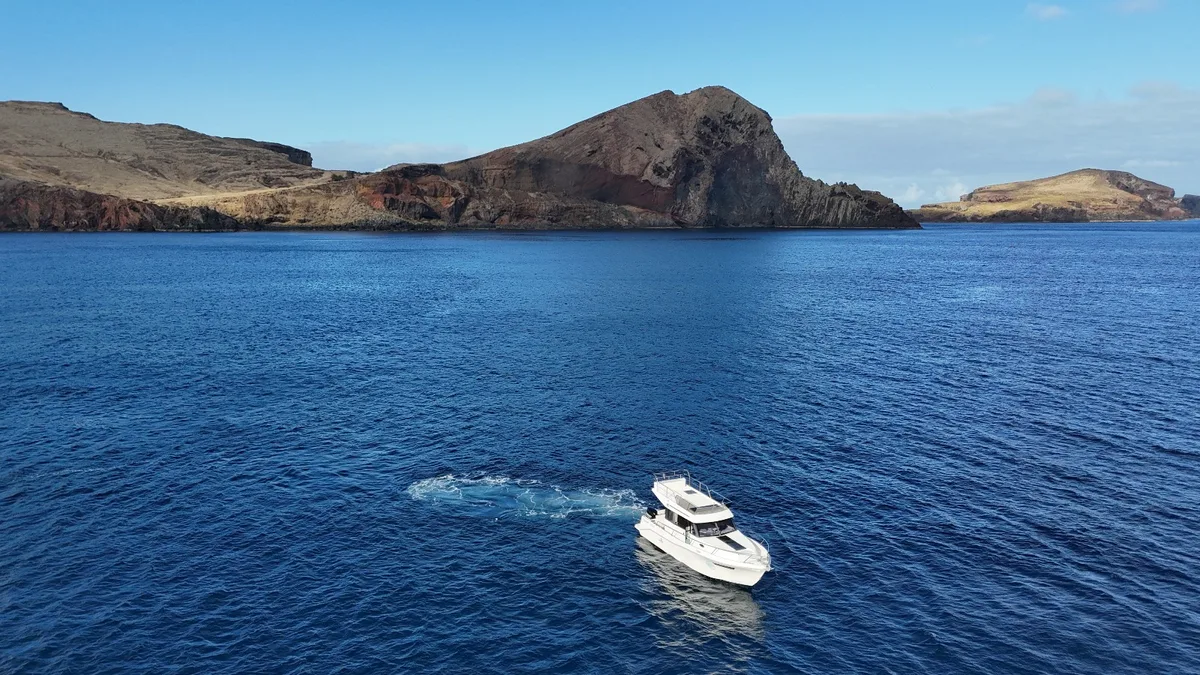
The Desertas Islands, a rugged and uninhabited archipelago located approximately 22 nautical miles southeast of Funchal, represent one of the most pristine and protected marine environments in the North Atlantic [1][3]. Comprising three distinct islands—Ilhéu Chão, Deserta Grande, and Bugio—this remote sanctuary is a testament to successful conservation efforts and offers a profound experience for those who venture across the sea. A private boat expedition to the Desertas Islands is not merely a sightseeing trip; it is a journey into a carefully guarded ecosystem that demands respect, preparation, and a deep understanding of environmental responsibility.
For guests chartering a private yacht in Madeira, the Desertas Islands present an opportunity to witness raw, untouched nature. The islands are renowned as one of the last strongholds of the Mediterranean monk seal, the rarest seal species in the world and critically endangered [1]. Beyond the marine life, the stark volcanic landscapes and endemic flora create an atmosphere of isolation and discovery. However, accessing this nature reserve requires adherence to strict regulations designed to protect its fragile inhabitants.
The Significance of the Desertas Islands Nature Reserve
The Desertas Islands have been legally protected since 1990 and were officially classified as a Nature Reserve in 1995 [1]. This designation was primarily driven by the urgent need to protect the dwindling population of the Mediterranean monk seal, locally known as the lobo-marinho. Before the establishment of the reserve, the monk seal population had reached critically low numbers due to habitat loss and human interference. The creation of the reserve marked a turning point, providing a safe haven where the seals could breed and recover without the constant threat of disturbance.
The reserve encompasses both the terrestrial areas of the islands and the surrounding marine environment, ensuring a comprehensive approach to conservation. The islands are part of the Natura 2000 network and hold a status of total protection in specific zones [1]. The ecosystem here is unique, hosting not only the monk seal but also exclusive endemic species such as the Desertas tarantula and the rare plant Musschia isambertoi [1]. The permanent presence of the Nature Wardens ensures that the regulations are strictly enforced and that the delicate balance of the ecosystem is maintained.
The Mediterranean Monk Seal and Conservation Rules
The Mediterranean monk seal is the flagship species of the Desertas Islands Nature Reserve and one of the most endangered marine mammals on the planet. The seals rely on the secluded caves and quiet beaches of the Desertas Islands for resting and breeding, making the area critical to their survival [4]. It is strictly prohibited to feed, touch, or disturb the monk seals in any way [4]. Maintaining a considerable distance is a legal requirement designed to prevent stress and ensure the animals feel secure in their environment.
Special care must be taken to avoid approaching monk seal pups, as their mothers can have unexpected and potentially defensive reactions if they perceive a threat [4]. Domestic animals are not permitted in contact with the local fauna, as they can transmit diseases that could be devastating to the isolated populations of the Desertas Islands [4]. The Nature Wardens monitor the seal population closely, and any interaction must be guided by their expertise and the established rules of the reserve.
Navigation and Authorisation Requirements
Visiting the Desertas Islands Nature Reserve, whether by private vessel or commercial maritime-touristic boat, requires prior authorisation from the managing entity, the Institute for Forests and Nature Conservation (IFCN) [2]. Your charter operator will typically handle the necessary permits, but it is crucial to confirm this during the booking process. The authorisation dictates where the vessel can anchor and what activities are permitted.
The permitting process is designed to control the number of vessels and visitors in the reserve at any given time, minimizing the cumulative impact on the environment. Navigation and anchoring within the reserve are subject to specific fees and regulations [2]. These measures are in place to fund conservation efforts and maintain the infrastructure necessary to protect the islands. A responsible skipper will be fully versed in these requirements and will ensure that the vessel operates in full compliance with the law.
Weather and Sea Conditions for the Crossing
The crossing to the Desertas Islands involves navigating approximately 22 nautical miles from Funchal or 12 nautical miles from Ponta de São Lourenço [1]. The sea conditions in this open stretch of the Atlantic can be unpredictable. The feasibility of the trip is entirely dependent on the weather and sea state, as assessed by the skipper and guided by forecasts from the Portuguese Institute for Sea and Atmosphere.
Safety is the paramount concern, and itineraries may be altered or cancelled if conditions are deemed unsuitable. The Atlantic Ocean commands respect, and even on seemingly calm days, the swells can be significant. A responsible skipper will continuously monitor the weather patterns and make informed decisions to ensure the comfort and safety of all passengers. It is important for guests to understand that these decisions are made with their best interests in mind, and flexibility is a key component of any successful maritime expedition.
What to Expect Upon Arrival at Deserta Grande
Approaching the Desertas Islands, the sheer volcanic cliffs rising dramatically from the ocean create a striking visual impact. The islands appear almost hostile from a distance, a stark contrast to the lush greenery of Madeira. However, as you draw closer, the intricate details of the rock formations and the vibrant marine life begin to reveal themselves. The primary permitted activity for visitors is a guided tour along a specific interpretive trail on Deserta Grande, followed by the observation of wildlife from a respectful distance [2].
Upon anchoring in the designated area, visitors may have the opportunity to disembark on Deserta Grande, subject to the conditions of the IFCN authorisation. The visit is strictly confined to a designated interpretive trail. This guided walk offers insights into the geological formation of the islands, the ongoing conservation projects, and the unique flora and fauna that manage to survive in this harsh, arid environment.
The trail provides a rare opportunity to step foot on land that has remained largely untouched by human development. As you walk, the guide will point out the subtle signs of life that cling to the volcanic soil, explaining the remarkable adaptations that allow these species to thrive.
Wildlife Observation Rules and Etiquette
The surrounding waters are rich in marine life, and while the primary focus is often the monk seal, the area is also frequented by various cetacean species and seabirds. It is essential to manage expectations regarding wildlife sightings. The monk seals are wild animals, and their presence is never guaranteed. If a sighting occurs, it is a privilege that must be treated with the utmost respect.
The rules for observing wildlife in the reserve are strict. Vessels must maintain a significant distance from the animals, and any approach must be slow and deliberate, avoiding sudden changes in speed or direction. The goal is to observe the animals in their natural state without causing them any stress or altering their behaviour. The Nature Wardens closely monitor all interactions, and any violation of the rules can result in severe penalties.
Responsible Conduct and Conservation Efforts
Visiting the Desertas Islands carries a responsibility to minimize human impact. The rules established by the IFCN are not merely guidelines; they are legal requirements designed to protect a fragile ecosystem. Every visitor plays a role in the ongoing conservation efforts, and responsible conduct is essential to ensuring that the islands remain a sanctuary for future generations.
Guests must adhere to all instructions provided by the skipper and the Nature Wardens. This includes maintaining a respectful distance from any wildlife, refraining from making loud noises, and ensuring that absolutely no waste is left behind. Feeding or attempting to interact with the marine life is strictly prohibited. The ecosystem of the Desertas Islands is finely balanced, and even minor disturbances can have significant consequences.
By choosing a responsible charter operator and respecting the regulations, visitors contribute to the ongoing success of the conservation efforts that make the Desertas Islands a sanctuary for the Mediterranean monk seal. The privilege of visiting such a pristine environment comes with the obligation to protect it.
Sources
This guide uses the following official or specialist references. Confirm time-sensitive details at source before making travel plans.
Practical answers before you travel.
Do we need a special permit to visit the Desertas Islands?
Yes, all vessels visiting the Desertas Islands Nature Reserve require prior authorisation from the Institute for Forests and Nature Conservation (IFCN). Your charter operator should arrange this permit on your behalf before the expedition begins, ensuring that all legal requirements for entering the protected area are met.
Are we guaranteed to see a Mediterranean monk seal?
No. Monk seals are wild, critically endangered animals in their natural habitat. Sightings are a privilege and can never be guaranteed. The primary goal of the reserve is their protection, not their display, and their movements are entirely unpredictable.
Can we walk anywhere on the islands?
No. Access to the land is strictly limited to a designated interpretive trail on Deserta Grande, and visitors must be accompanied by a guide or follow the specific rules of the reserve to protect the fragile ecosystem. Straying from the path is prohibited to prevent damage to endemic flora and nesting sites.
How long does it take to sail to the Desertas Islands?
The journey time depends on the type of vessel and the sea conditions. The islands are about 22 nautical miles from Funchal, which typically means a crossing of a few hours each way across open ocean. The exact duration will be determined by the skipper based on the day's specific circumstances.
Is the trip suitable for people prone to seasickness?
The crossing involves navigating open ocean, which can be subject to significant swells. If you are prone to seasickness, it is advisable to consult a healthcare professional or pharmacist for preventative measures before the trip. The charter operator cannot provide medical advice or dispense medication.
Can we swim or snorkel at the Desertas Islands?
Swimming and snorkelling are subject to the specific conditions of the IFCN authorisation and the assessment of the skipper regarding safety and environmental impact. It is not always permitted, and strict rules apply when it is, to ensure that marine life is not disturbed.