
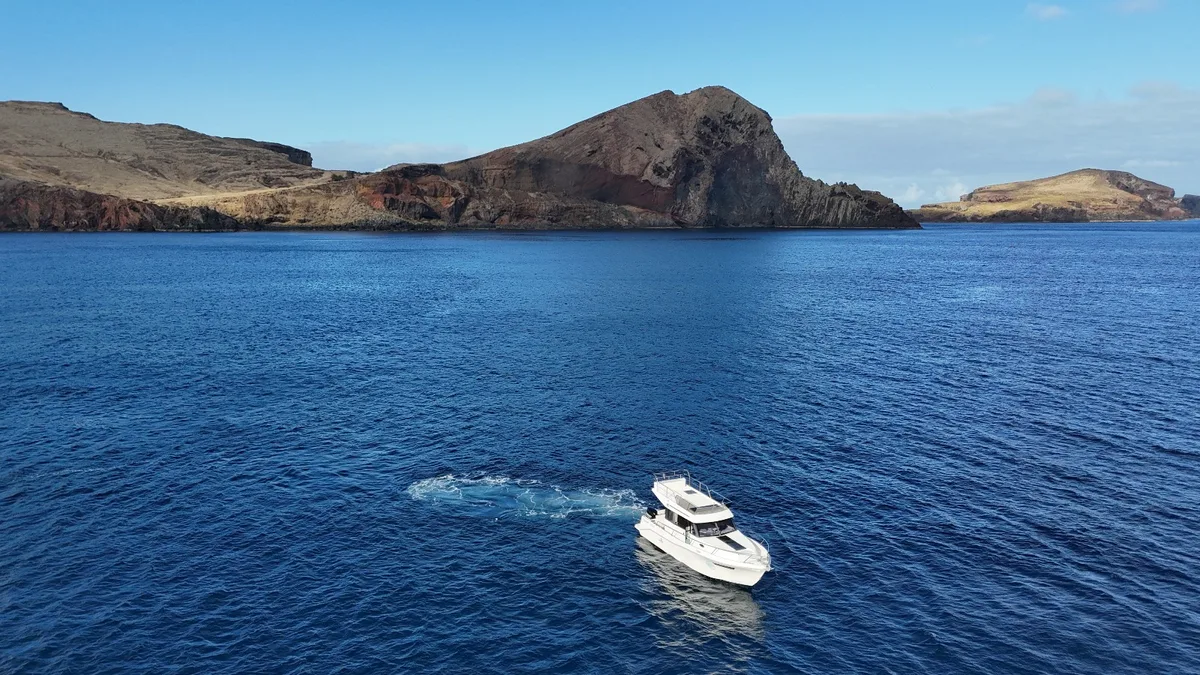
A Calheta yacht charter offers a remarkable opportunity to explore the stunning southwest coast of Madeira. Nestled between towering basalt cliffs and the Atlantic Ocean, Calheta serves as a premier gateway for maritime exploration. The region is celebrated for its tranquil atmosphere, making it an ideal starting point for those seeking a serene day at sea, away from the bustling harbour of Funchal.
The southwest coast is characterised by dramatic landscapes, where steep ravines meet deep blue waters. A private yacht charter allows guests to appreciate these geological formations while enjoying the comfort of a dedicated vessel. Whether observing marine biodiversity, anchoring in a secluded bay, or basking in the island's sunshine, Calheta provides an exceptional maritime experience.
Understanding local infrastructure, environmental regulations, and practical aspects is essential for a successful voyage. This guide provides insights into what guests can expect when arranging a Calheta yacht charter, detailing marina facilities, wildlife observation rules, and the distinction between regional facts and operational decisions made by the crew.
The Appeal of Madeira's Southwest Coast
The southwest coast, encompassing Calheta and Ponta do Sol, is recognised as the region with the highest number of sunshine hours per year on the island [1]. This microclimate creates an inviting environment for year-round sailing. The coastline is less exposed to prevailing northeasterly winds, often resulting in calmer sea states conducive to leisurely yacht charters.
Navigating this coast reveals a striking contrast between lush agricultural plots and rugged rock faces plunging into the ocean. The journey offers a unique perspective on the island's topography, highlighting the grandeur of coastal villages. The clear waters support a diverse marine ecosystem, making every voyage a potential wildlife encounter.
Calheta Recreational Port: Infrastructure and Facilities
The Calheta Recreational Port is a modern facility serving as a vital hub for nautical activities. Located approximately 16 nautical miles west of Funchal, the marina offers a convenient alternative for exploring the western reaches of Madeira [2]. Its position makes it an excellent base for voyages towards the remote western tip or leisurely cruises along the southern shores.
As the second largest marina on the island, Calheta boasts a capacity for 337 vessels, accommodating boats from 6 to 25 metres in length, with a maximum draught of 3.5 metres [3]. This capacity ensures the port can host a wide variety of craft. The infrastructure provides essential amenities ensuring the smooth operation of charter companies and private owners.
Facilities within the marina complex include a fuel station, slipway ramp, crane, covered car park, and a wastewater pumping system [3]. Beyond technical services, the surrounding area features an artificial sand beach alongside a promenade lined with restaurants and bars [1]. This integration means guests can enjoy a seamless experience, transitioning from a day on the water to a relaxing evening ashore.
Marine Wildlife Observation from Calheta
The waters off Calheta are renowned for their biodiversity, offering opportunities for encountering cetaceans. Deep underwater canyons near the shoreline create an ideal habitat for dolphins and whales. However, it is crucial to approach these encounters with respect, understanding that sightings are never guaranteed, as these are wild creatures in their natural environment.
To protect this ecosystem, cetacean observation is strictly regulated by Regional Legislative Decree No. 15/2013/M, overseen by the Institute for Forests and Nature Conservation (IFCN) [4]. These regulations minimise human impact. Vessels must maintain a minimum distance of 50 metres from the animals [4]. Animals must be allowed to approach voluntarily; actively chasing them is strictly prohibited, as it causes stress and disrupts natural behaviour [5].
Legislation mandates speed restrictions near marine wildlife. Vessels must reduce speed to less than 12 knots within 500 metres of cetaceans, and to less than 8 knots within 300 metres [5]. These measures prevent collisions and reduce underwater noise pollution. Additionally, feeding or touching marine wildlife is entirely illegal and detrimental to their well-being [4]. A responsible charter prioritises animal welfare.
Understanding the Local Climate and Sea Conditions
The southwest coast of Madeira benefits from a unique microclimate that significantly influences the maritime experience. Sheltered by the island's central mountain range, this region typically experiences less rainfall and more consistent sunshine compared to the northern and eastern coasts. This climatic advantage makes Calheta an attractive destination for yacht charters throughout the year. However, it is important to remember that weather patterns can be unpredictable, and conditions at sea may differ from those experienced on land.
Sea conditions are primarily dictated by the prevailing winds and the Atlantic swell. While the southwest coast is generally calmer, the sea state can change rapidly. The skipper continuously monitors meteorological forecasts provided by the Portuguese Institute for Sea and Atmosphere (IPMA) and the local maritime authorities. These forecasts are crucial for determining the safest and most comfortable routes for the day. Guests should be prepared for the possibility that certain areas may be inaccessible due to unfavourable sea conditions, reinforcing the importance of flexibility when planning a maritime excursion.
Navigating the Waters: Safety and Comfort
When preparing for a day at sea, packing appropriately is essential. Weather on the water can feel different from land conditions. Guests should bring sun protection, including high-factor sunscreen, sunglasses, and a hat, as water reflection increases UV exposure. Dressing in layers is advisable; a light windbreaker can be invaluable if the sea breeze picks up. Comfortable, flat-soled shoes are recommended to ensure safety while moving around the deck.
Seasickness is a common concern for those unaccustomed to maritime travel. To mitigate the risk, guests are advised to rest well the night before and stay hydrated, avoiding excessive alcohol or heavy meals prior to boarding. Individuals prone to motion sickness should consult a healthcare professional or pharmacist well in advance to discuss preventative measures. The crew cannot provide medical advice or dispense medication.
Planning Your Calheta Yacht Charter
Organising a successful yacht charter requires careful consideration of practical elements. The first step is determining the duration of the voyage. A half-day charter typically offers ample time to explore the immediate coastline, enjoy a swim, and perhaps encounter local marine life. In contrast, a full-day charter provides flexibility to venture further afield, allowing for a more comprehensive exploration of the western coastline at a relaxed pace.
Public Facts vs Operational Decisions
When booking a Calheta yacht charter, it is vital to distinguish between established public facts and operational decisions made dynamically on the day. This distinction helps set realistic expectations and fosters a better understanding of how a private charter operates in an unpredictable environment.
Public facts are verifiable, constant elements. These include the geographical location of the Calheta Recreational Port, marina technical specifications, and the legal framework governing marine wildlife observation enforced by the IFCN. General climatic trends, such as the southwest coast's reputation for high sunshine hours, also fall into this category. These facts form the baseline of what the region offers.
Conversely, operational decisions are real-time choices made by the skipper. These decisions depend entirely on the immediate circumstances of the day. The exact route, duration spent at any location, and the decision to deploy the anchor are operational matters. Furthermore, the ability to approach an area where cetaceans have been spotted, or the choice to retreat if the sea state deteriorates, rests solely on the skipper's professional judgement. These decisions prioritise safety, comfort, and legal compliance over any pre-planned itinerary [6].
Sources
This guide uses the following official or specialist references. Confirm time-sensitive details at source before making travel plans.
Practical answers before you travel.
How far is Calheta marina from Funchal by sea?
The Calheta Recreational Port is located approximately 16 nautical miles west of Funchal. The travel time between the two ports depends entirely on the type of vessel and the prevailing sea conditions on the day of the journey.
What size of yachts can the Calheta marina accommodate?
The marina is the second largest on the island and has the capacity to accommodate 337 vessels. It can host boats ranging from 6 to 25 metres in length, with a maximum draught of 3.5 metres.
Are whale and dolphin sightings guaranteed on a Calheta yacht charter?
No, sightings are never guaranteed. Dolphins and whales are wild animals living in the open ocean, and their presence is entirely unpredictable. While the waters off Calheta are rich in marine life, encounters depend on nature.
Can we swim with dolphins during the charter?
Swimming with dolphins or whales is strictly regulated in Madeira and is generally prohibited without specific, hard-to-obtain permits for scientific or educational purposes. Standard yacht charters do not offer this activity to ensure the protection of the animals.
What facilities are available around the Calheta Recreational Port?
The marina complex is well-equipped with maritime services such as a fuel station, crane, and slipway. The surrounding area features an artificial sand beach, a covered car park, and a variety of restaurants and bars along the promenade.
Who decides the final route for the boat trip?
The skipper is solely responsible for deciding the final route. This operational decision is based on real-time weather forecasts, sea conditions, and the safety and comfort of the passengers, meaning itineraries are always subject to change.