
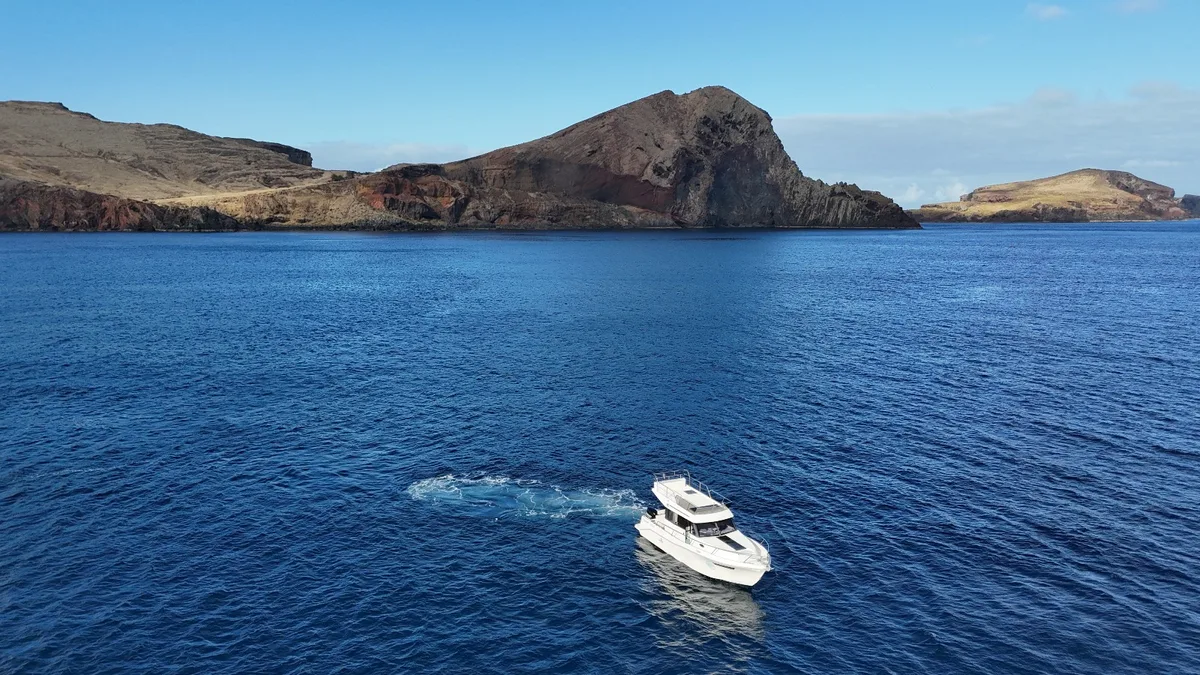
Madeira offers a subtropical climate that makes it an appealing destination for sea lovers year-round [1]. However, when planning a private boat trip, understanding the island's weather and sea conditions is essential. The best time for a yacht charter depends on what you hope to experience, whether swimming in warm waters, observing marine life, or enjoying a peaceful cruise.
While summer offers the warmest temperatures and calmest seas, winter holds its own charm, with different considerations for heading out on the water. This guide helps you navigate seasonal changes to choose the ideal time for your charter based on factual meteorological data.
Understanding Madeira's Microclimates
The island features distinct microclimates, meaning conditions can vary significantly from one coast to another [1]. Generally, the southern coast, where the main port of Funchal is located, tends to be warmer and more sheltered from prevailing winds compared to the northern coast [1]. This geographical advantage makes southern waters particularly suitable for yacht charters, providing a more comfortable and stable environment for guests.
When planning your itinerary, it is helpful to understand that the towering mountains in the centre of the island act as a natural barrier against the trade winds. This creates a "rain shadow" effect, ensuring that the southern coastline enjoys more sunshine and calmer seas for the majority of the year. If you are looking to maximize your time sunbathing on the deck or swimming in tranquil bays, focusing your charter along the southern and southwestern coasts is highly recommended. However, for those seeking a more adventurous sailing experience, the eastern and western points of the island offer dramatic cliffs and more dynamic sea conditions.
Marine Life Sightings Year-Round
A major draw for visitors is the rich biodiversity found in the surrounding Atlantic waters. The observation of cetaceans is possible throughout the year, with species such as sperm whales, dolphins, and sea turtles frequently present [3]. However, these are wild animals, and sightings depend entirely on natural conditions and strict approach regulations designed to protect them.
It is important to manage expectations when it comes to marine life encounters. While the waters around Madeira are a known habitat for many species, their movements are unpredictable. Operators follow strict guidelines to ensure the safety and well-being of the animals, which includes maintaining a respectful distance and limiting the time spent near a pod. A yacht charter offers a fantastic opportunity to appreciate the marine environment, but the primary focus should always be on the overall experience of being at sea, enjoying the stunning coastal views, and relaxing in a private setting. Any wildlife sightings should be considered a wonderful bonus rather than a guaranteed event.
Spring: April to June
Spring is a transitional period where weather warms up steadily, and sea conditions become increasingly favourable for yacht charters.
April
In April, air temperatures hover around 19°C to 20°C [1]. Sea temperature averages 18°C to 19°C [1]. While brisk for extended swimming, it is pleasant for cruising. Sea conditions are moderate, though occasional showers occur. This month is excellent for a quieter experience before summer crowds arrive.
May
May sees improvement in air and sea temperatures. Air temperature reaches 21°C, and the sea warms to 19°C to 20°C [1]. Days become longer and sunnier, making it ideal for a charter. The sea tends to be calmer, providing a smoother ride.
June
June marks the beginning of summer. Weather is warm, with highs around 23°C, and sea temperature reaches 21°C [1]. This is a fantastic month for swimming and snorkelling. Sea conditions are typically calm, and water visibility is excellent, often reaching 30 to 40 metres [2].
Summer: July to September
Summer is the peak season for yacht charters. The combination of warm weather, calm seas, and excellent water visibility makes this period highly sought after.
July
July brings quintessential summer weather. Air temperatures average 24°C to 25°C, and sea temperature rises to 22°C to 23°C [1]. The sea is usually calm, especially along the southern coast. This is perfect for anchoring in secluded bays and swimming. Due to high demand, book well in advance.
August
August is typically the warmest month. Air temperature often exceeds 25°C, and sea temperature peaks at 23°C to 24°C [1]. Conditions are ideal for spending the day on the water. Calm seas and warm waters provide an excellent environment for swimming. However, it is the busiest month, so planning ahead is crucial.
September
September is often regarded as one of the best months. The intense heat mellows, with air temperatures around 24°C, but the sea retains its warmth at 23°C to 24°C [1]. Sea conditions remain stable and calm. This month offers summer weather with fewer crowds, making it an exceptional time for a charter.
Autumn: October to November
Autumn is mild and pleasant, though weather can become more unpredictable as the season progresses.
October
October offers comfortable conditions. Air temperature averages 23°C, and the sea remains warm at 22°C to 23°C [1]. The latter half may bring occasional rain showers and variable sea conditions. It is still a wonderful time for swimming, provided you are flexible with your itinerary based on weather forecasts.
November
In November, the transition towards winter becomes apparent. Air temperature drops to 21°C, and the sea cools to 21°C [1]. Sea conditions can be mixed, with a higher chance of swells. While swimming is possible, charters are often more focused on sightseeing rather than water-based activities.
Winter: December to March
Winter is mild compared to most of Europe, but brings cooler temperatures and variable sea conditions. Charters are possible, provided guests have realistic expectations.
December
December sees air temperatures around 19°C and sea temperatures of 19°C to 20°C [1]. The sea can occasionally be rougher, with a higher likelihood of rain. However, there are many clear days perfect for a winter cruise. The southern coast remains the most sheltered area.
January and February
January and February are typically the coolest months. Air temperature averages 18°C to 19°C, and sea temperature drops to 18°C [1]. The sea can be more agitated, and swells are common [4]. Charters are highly dependent on daily weather. When conditions are right, a winter charter offers a peaceful way to see the island.
March
March begins to show signs of spring, though conditions remain similar to winter. Air temperature averages 19°C, and sea temperature stays around 18°C [1]. Weather can be changeable, with a mix of sunny days and showers. Flexibility is key, and the skipper will prioritize safety when deciding the route.
Public Facts vs. Operational Decisions
When planning a yacht charter, it is important to distinguish between general meteorological facts and specific operational decisions made on the day of your trip.
Climate data are factual guidelines helping you choose the best time for your visit [1] [5]. However, actual conditions can vary. The decision to set sail, the route taken, and areas chosen for anchoring are at the discretion of the skipper. These decisions are based on real-time weather forecasts, sea conditions, and maritime safety regulations.
For instance, while summer generally offers calm seas, an unexpected localized wind could prompt the skipper to alter the itinerary. Similarly, access to certain coastal areas may be restricted depending on sea state or local regulations. Guests should approach their charter with flexibility, trusting the crew to provide the best experience within safe operational limits.
Before booking, it is highly recommended to ask your operator about their policies regarding weather-related changes. Understanding how decisions are made and what alternatives are available can help ensure a smooth and enjoyable experience. The crew's primary responsibility is the safety of everyone on board, and their local knowledge is invaluable in navigating the sometimes unpredictable Atlantic waters. By maintaining open communication and a flexible mindset, you can fully enjoy the beauty of Madeira's coastline, regardless of minor adjustments to the planned route.
Sources
This guide uses the following official or specialist references. Confirm time-sensitive details at source before making travel plans.
Practical answers before you travel.
Can we swim in the sea during a winter yacht charter in Madeira?
Yes, swimming is possible in winter, as sea temperature rarely drops below 18°C. However, it may feel brisk, and the decision to allow swimming will depend on sea conditions and the skipper's assessment of safety on the day.
Is the sea always calm during the summer months?
While summer months (June to September) generally offer the calmest sea conditions, the ocean is inherently unpredictable. Occasional breezy days or localized swells can occur, which is why the skipper always monitors weather closely.
Will our charter be cancelled if it rains?
Not necessarily. A light shower does not usually prevent a charter from going ahead, especially as yachts offer sheltered areas. However, if rain is accompanied by strong winds or rough seas that compromise safety or comfort, the operator may suggest rescheduling.
Are there specific months when we are guaranteed to see marine life?
No. Marine animals, such as dolphins and whales, are wild and their presence is never guaranteed. While present in Madeira's waters year-round, sightings depend entirely on nature and cannot be promised by any operator.
Does the weather vary depending on where we sail?
Yes, Madeira has distinct microclimates. The southern coast, where most charters operate, is generally warmer and more sheltered. If you sail towards eastern or western points of the island, you may encounter different wind and sea conditions.
How far in advance should we book a summer charter?
Summer months, particularly July and August, are peak season for yacht charters in Madeira. It is highly recommended to book several weeks or even months in advance to secure your preferred date and vessel.